
When I was organising my Japan trip for the first time, I remember having multiple tabs open, excel sheets, and figuring out the plan. It can be overwhelming, thinking is this Japan Itinerary enough or too little, which is why I created this Japan travel guide for first timers.
Because when I actually went to Japan, this trip ended up being one of the most incredible experiences of my life.
I have spent two weeks traveling Japan doing essentially the Golden Route which is Tokyo, Hakone, Kyoto, Nara, and Osaka, and then I came home already planning my next trip (after a bit of saving up).
Please think of my Japan Travel Guide as advice from a friend who’s been there and wants to help you avoid all the mistakes I made and to show you my experiences and hopefully helps with your planning too.
I cover things to do before you leave and what to know once you’re there, from transportation options to culture do’s and don’ts to what food to eat and more!
Don’t have time to read yet? Grab my quick recommendations below!
Here are my top picks Hotels in Japan that I have researched on:
⭐️⭐️⭐️⭐️ Candeo Hotels Shimbashi ( Quieter location, and the rooms are lovely with an indoor infinity public bath as well, close to station) : Click here for rates & availability
⭐️⭐️⭐️⭐️ Candeo Hotels Roppongi Tokyo (Great location, and the rooms are lovely plus they have an indoor with views public bath) : Click here for rates & availability
If you are looking for fun things to do in Tokyo, This Official Street Go-Kart in Shibuya
or Tokyo Go Kart: Asakusa, Skytree, and Akihabara **IDP MUST** is an amazing experience
and Toyosu Market Morning Tuna Auction and Tsukiji Food Tour with Licensed Guide
and Tsukiji Fish Market Guided Tour and Sushi Making with Pro Chef
Hotel Sites I trust: Booking.com and Expedia
Kyoto:
⭐⭐️⭐️⭐️ The Thousand Kyoto : modern, peaceful and right next to Kyoto Station. Perfect if you’re coming in by train.
⭐⭐️⭐️⭐️ Gion Yoshi-Ima Ryokan : a traditional tatami-room stay right in Gion for the full Japanese experience, stunning rooms and good location as well.
⭐⭐️⭐️⭐️ Candeo Hotels Kyoto Karasuma Rokkaku : stylish, clean and central without the huge price tag, plus great decor and lovely rooms.
If you are looking for a fun things to do in Kyoto, you can get this fun Kyoto Samurai Experience or train like a samurai with this Samurai Training with Modern day Musashi in Kyoto
and this is so good with kids too Ramen Cooking Class at Ramen Factory in Kyoto
Why 2026 is actually the perfect time to visit Japan
Japan is always going to be a popular destination. The great thing is the country has gotten so much better at accommodating international visitors, especially after reopening post-pandemic. More English signage, better translation apps, contactless payment options finally catching on.
Plus, the yen has been weaker compared to many currencies, which makes Japan more affordable than it’s been in years. When I visited, I was genuinely surprised at how reasonable things were, especially compared to what I’d heard from people who went a decade ago.
Even with the crowds, Japan still manages to feel magical. Those early morning temple visits, stumbling upon tiny ramen shops down quiet side streets, watching salarymen sing karaoke at 2am, these moments are still very much there for the taking.
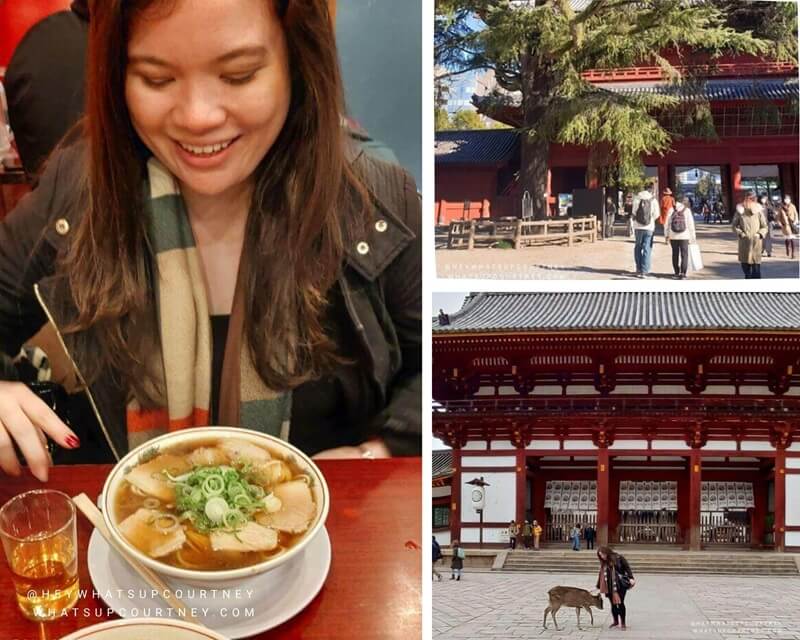
When should you actually go to Japan?
Many of you are going to tell you to visit during cherry blossom season or autumn foliage, and yes, I agree they’re stunning and if I have the opportunity to do both, I definitely will. Keep in mind they’re also when Japan is at its absolute busiest and most expensive. Let me break it down based on what I actually experienced and hear from my local friends.
Spring (Late March to May)
Cherry blossom season is busy but so so pretty. The accommodation prices could double or triple at times, popular spots like Fushimi Inari being shoulder to shoulder with people, and needing to book everything months in advance. The blossoms typically peak in Tokyo and Kyoto around early April, but it varies each year based on weather patterns.
That said, if you can swing late April or early May (avoiding Golden Week, which I’ll explain later), you get that gorgeous spring weather without quite the same intensity of crowds. The wisteria season happens around this time too, and it’s absolutely gorgeous.
Tip: If cherry blossoms are on your bucket list, go for it. I have a full guide on the complete guide to seeing cherry blossoms in Japan.
Summer (June to August)
June is rainy season, which sounds terrible but actually isn’t that bad. Things are quieter, accommodation is cheaper, and you get these beautiful misty mornings at temples. Pack an umbrella and you’ll be fine. The hydrangeas blooming everywhere are gorgeous too.
July and August though? It gets HOT. Like, sticky, humid, need three showers a day hot. Bring a small towel with you if you tend to sweat, it helps. But summer festivals (matsuri) are happening everywhere, fireworks displays light up the sky, and there’s something really special about evening strolls when everyone’s out in their yukatas.
I wouldn’t necessarily choose summer for a first visit as I’m not the biggest tolerance for heat, but if that’s when you can go, you’ll still have an amazing time of course especially with the festivals.
Autumn (September to November)
This is actually my favorite time, and I think it’s the sweet spot for first-timers. September can still be pretty warm, but once October hits, the weather is absolutely perfect. The fall foliage is spectacular (especially mid-November in Kyoto), crowds are can be hectic especially at the famous sights to see the autumn leaves, and the crisp air makes walking around all day actually pleasant.
Food wise, you’re hitting harvest season, which means incredible matsutake mushrooms, chestnuts, sweet potatoes, and persimmons everywhere.
Winter (December to February)
Winter is underrated. It’s cold, of course, but nothing unbearable (except maybe in Hokkaido or the northern cities). Hot springs feel even better in the cold. Ski resorts in Nagano and Hokkaido are world-class. And the New Year celebrations are something else entirely. If you can go to Hokkaido, I highly recommend it, it’s so different and the food, goodness me, their dairy is so good.
Plus, accommodation is at its cheapest (outside of the New Year holiday week), and you’ll have many attractions almost to yourself.
My recommendation: Late October to mid-November if you can swing it. Perfect weather, fall colors, reasonable prices, and the crowds aren’t insane yet. Or spring, just before spring festival, if you are not fussed about Cherry blossoms.
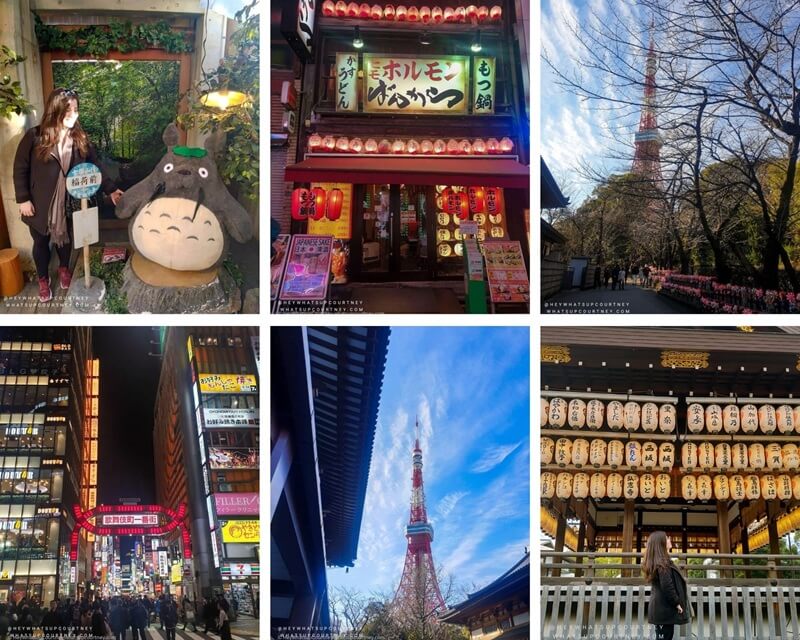
How long do you actually need to visit Japan?
Here’s what nobody tells you when planning Japan: you’re going to want more time than you think. I originally planned 10 days. Then I stretched it to 2 weeks. and I’m so glad I did.
One week feels rushed. You can hit Tokyo and Kyoto, maybe squeeze in Osaka or Hakone, but you’ll be moving fast and probably exhausted.
Two weeks is the sweet spot for a first visit. You can see the main highlights without feeling like you’re just ticking boxes off a list. You actually have time to wander, to stumble upon things, to just sit in a park and people-watch.
Three weeks or more means you can venture beyond the typical tourist circuit. Head to Hiroshima, explore Takayama, spend time in Kanazawa, maybe even hit up Hokkaido or Kyushu.
I did two weeks and my Golden Route looked like this: Tokyo (4 days) → day trip to Odawara → Hakone (2 days, 1 night) → Kyoto (4 days) → Nara (day trip) → Osaka (3 days) → back to Tokyo. It worked perfectly.
Let’s talk about budget
One of the first questions everyone asks me is “How much did you spend?” So let me be really transparent about Japan costs, because the internet has a lot of outdated information floating around.
Daily Budget Breakdown
Budget Traveler (around $100-150/day per person): You’re staying in hostels or capsule hotels, eating convenience store meals for breakfast (which are delicious), hitting up affordable ramen shops and curry spots, taking local trains, and being selective about paid attractions. Totally doable and you’ll still eat well.
Mid-Range Traveler ($200-300/day per person): This is where I landed. Business hotels or nice Airbnbs, eating at proper restaurants for most meals, not thinking too hard about train costs, visiting whatever attractions interest you. You can splurge on some experiences without feeling guilty.
Comfort Traveler ($400+ per day per person): Nice hotels or traditional ryokans, omakase sushi dinners, kaiseki meals, taxis when you feel like it, all the activities. If this is your budget, Japan will absolutely spoil you.
Costs from my trip
Here’s what I actually spent over two weeks (rough estimates, because I didn’t track every yen):
- Accommodation: About $1,400 total (mix of business hotels and one ryokan)
- Food: Around $900 (and I ate VERY well)
- Transportation: $400 including all local trains and two shinkansen tickets
- Activities & Attractions: $350
- Shopping & Miscellaneous: $300 (I bought way too many Kit Kats)
Total: Roughly $3,350 for two weeks, not including flights. Your costs will vary based on where you’re coming from and how you like to travel, but this gives you a realistic baseline.
The cash situation
Japan is still surprisingly cash-based. Like, more than you’d expect for such a high-tech country.
Yes, convenience stores accept cards. Big hotels do too. But loads of small restaurants, shops, temples, and transportation kiosks are cash-only. Always carry at least 10,000 to 20,000 yen on you.
The good news is 7-Eleven ATMs accept most international cards, they’re everywhere. Just make sure your bank knows you’re traveling so they don’t block your card (I forgot this step and had a minor panic moment at 9pm in Shibuya).
Getting around Japan: The JR Pass debate
Alright, let’s tackle the biggest question I get: “Should I buy a JR Pass?”
The answer used to be an automatic yes. But they raised prices significantly in 2023, almost double, and now it really depends on your specific itinerary. Let me break down when it makes sense and when it doesn’t.
When the JR Pass is Worth It:
You’re making multiple long-distance trips. If you’re doing Tokyo to Kyoto to Hiroshima to Osaka and back to Tokyo, the math probably works out. The 7-day pass costs around ¥50,000 now, and a round trip Tokyo-Kyoto alone is about ¥28,000, so you can see how it adds up.
You want flexibility. With the pass, you can hop on and off trains without thinking about costs. Want to take a spontaneous day trip? Go for it.
You’re traveling with kids. Children’s passes are half price, which can save families a ton.
I have a list of the best sightseeing things to do in Kyoto Japan, you can read what you can do while you are here, if you are planning on visiting Kyoto.
When the JR Pass is NOT worth it:
You’re staying mostly in one or two cities. If you’re doing Tokyo and Kyoto with maybe one trip to Osaka, individual tickets are probably cheaper. I did the math for my trip and saved about ¥15,000 by skipping the pass.
Your trip is longer than 7 or 14 days but you’re not constantly moving. The pass only comes in 7, 14, or 21 day versions, and if you’re spending several days in each location, you’re paying for days you’re not using.
Pro tip: Use a JR Pass calculator online with your actual routes before buying. Plug in every single train journey and it’ll tell you if the pass makes sense.
The IC Card alternative
Whether or not you get a JR Pass, definitely get a Suica or Pasmo card. These rechargeable cards work on basically every train and bus in Japan, plus you can use them at convenience stores and vending machines. Buy one at any major station for ¥500 (you get this deposit back when you return it).
They’re absolute lifesavers. No more fumbling with ticket machines, no more calculating fares. Just tap and go.
Your first stop: Tokyo
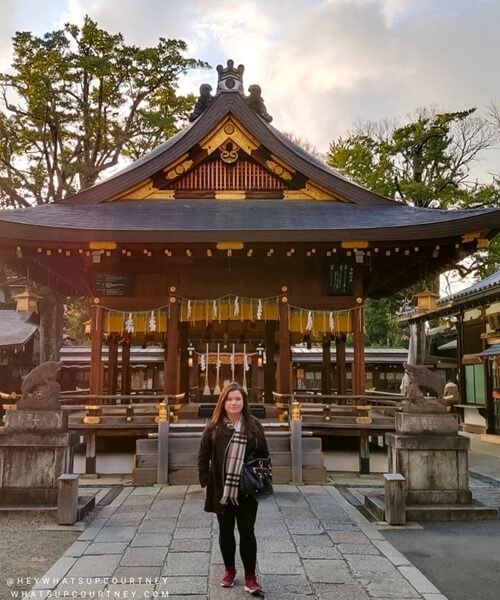
Tokyo is absolutely massive.13 million people living in the city. When I first arrived and looked at a subway map, I nearly had a panic attack. But here’s the secret: you don’t need to see all of Tokyo. Pick a few neighborhoods that interest you and really explore them.
This is what I used to get my Teamlab tickets for Tokyo
The neighborhoods worth your time
Shibuya: Yes, the scramble crossing is touristy, but it’s also genuinely cool. Go late afternoon, grab a spot in the Starbucks overlooking the intersection, and people-watch for an hour. The Shibuya area has incredible shopping, great restaurants, and the energy is infectious. Don’t miss the Hachiko statue either.
Shinjuku: This neighborhood doesn’t sleep. By day, it’s endless shopping and people everywhere. By night, the neon lights of Kabukicho come alive. Hit up Omoide Yokocho (Memory Lane) for tiny yakitori joints where salarymen crowd around counters drinking sake after work. The Tokyo Metropolitan Government Building has free observation decks with killer views too.
Asakusa: This is old Tokyo. Sensoji Temple is the city’s oldest, and while it gets crowded, going early morning (like 7am early) or at dusk gives you a completely different vibe. The shopping street leading up to it (Nakamise) is perfect for souvenirs that aren’t tacky.
Harajuku: Takeshita Street is chaos in the best way. Teenage fashion, crepe stands, too many people, but it’s an experience. Walk up to Meiji Shrine afterwards for instant zen. The shrine grounds are gorgeous and surprisingly peaceful given you’re in the middle of Tokyo.
Roppongi: Art museums, upscale dining, nightlife. It’s more sophisticated Tokyo. The Mori Art Museum has great exhibitions and the observation deck (Tokyo City View) offers spectacular views, especially at sunset.
Akihabara: Electric town! This is heaven for anime, manga, and gaming fans. Multi-story arcades, electronics shops, maid cafes, and collectible stores everywhere. I spent way too much time (and money) here exploring Mandarake, Super Potato, and other shops.
Odaiba: This futuristic island has the life-sized Unicorn Gundam statue, Gundam Factory Base, shopping at Diver City, and Joypolis arcade. The Fujifilm HQ has a spherical observation deck with great Tokyo Bay views.
Tokyo real talk
You’re going to walk SO MUCH. My fitness tracker said I averaged 15 miles a day in Tokyo. Wear comfortable shoes. Not “these seem comfortable” shoes. Actually broken-in, can-walk-forever shoes.
Trains stop running around midnight. Plan accordingly or be prepared to shell out for a taxi (which are expensive but incredibly clean and drivers wear white gloves).
The coffee culture is serious here. Forget Starbucks, find a tiny kissaten (traditional coffee shop) and order a pour-over. It’s an experience.
Where to stay in Tokyo
I stayed in Shimbashi at a Candeo Hotel and loved it. The location was perfect (close to Ginza but not in the thick of tourist chaos), and having an onsen on the top floor after a long day of walking was absolute heaven.
Other neighborhoods I’d recommend: Ginza if you want upscale, Ueno for museum access and park vibes, Akihabara if you’re into anime and gaming culture.
Hakone
From Tokyo, Hakone is about 90 minutes away and makes for either a perfect day trip or an overnight stay. I did the overnight to see Mount Fuji san and have the Ryokan experience. I have a full guide on things to do in Hakone which you can read to get a better idea.
Just remember with Mount Fuji can be very shy. Clouds cover Fuji san about 70% of the time. The best visibility is typically winter months, but even then, it’s not guaranteed. I lucked out and saw Mount Fuji both from Hakone and from the shinkansen.
The Hakone Loop
This is a set route that combines trains, cable cars, ropeways, and a pirate ship (yes, really) across Lake Ashi. The Hakone Free Pass covers everything and costs around ¥6,100 from Shinjuku. It’s touristy but genuinely fun.
Morning starts at Hakone-Yumoto station, take the mountain railway up to Gora, switch to a cable car up to Sounzan, then hop on a ropeway over the volcanic valley (the sulfur smell is wild). Cross Lake Ashi on the pirate ship, and if conditions are clear, Mount Fuji rises majestically behind you.
Stay at a Ryokan
If you can swing it, stay at a traditional ryokan in Hakone. Sleep on a futon, eat kaiseki meals, soak in an onsen with views. It’s expensive (we’re talking $200+ per person per night), but it’s an experience you can’t get anywhere else.
The onsen culture is real, and bathing naked with strangers is less weird than you think. Just follow the rules: wash thoroughly before entering the bath, no swimsuits, small towel goes on your head or beside the bath, and everyone’s too relaxed to care about anything.
Kyoto
After the organized chaos of Tokyo, Kyoto feels like taking a deep breath. This city was Japan’s capital for over 1,000 years, and you can feel the history in every corner. It has over 2,000 temples and shrines, and you could spend a month here and still not see everything.
There’s so many activities to do here too, you can attend Kyoto: Ramen, Gyoza, and Onigiri Cooking Class which was so much fun, and skills to take home with you. Or attend the Non-Verbal Theatre Show Tickets at GEAR, a show accompanied by impressive stage effects set up using techniques ranging from those used in Kabuki plays to the latest technologies
The Temples you cannot simply miss
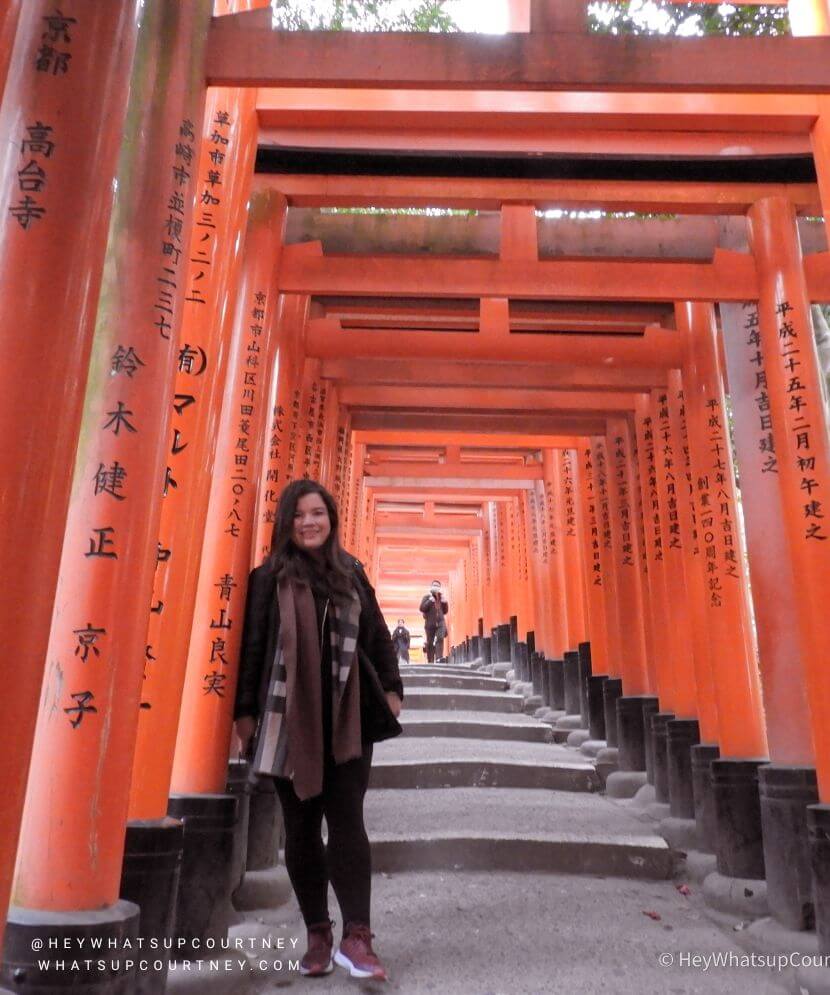
Fushimi Inari: Those thousands of vermillion torii gates you’ve seen on Instagram? They’re as beautiful in person as you imagine. But here’s my advice: either go at dawn (I’m talking 6am) or late afternoon. Midday is an absolute zoo. The hike to the top takes about 2-3 hours round trip and the views are worth every step.
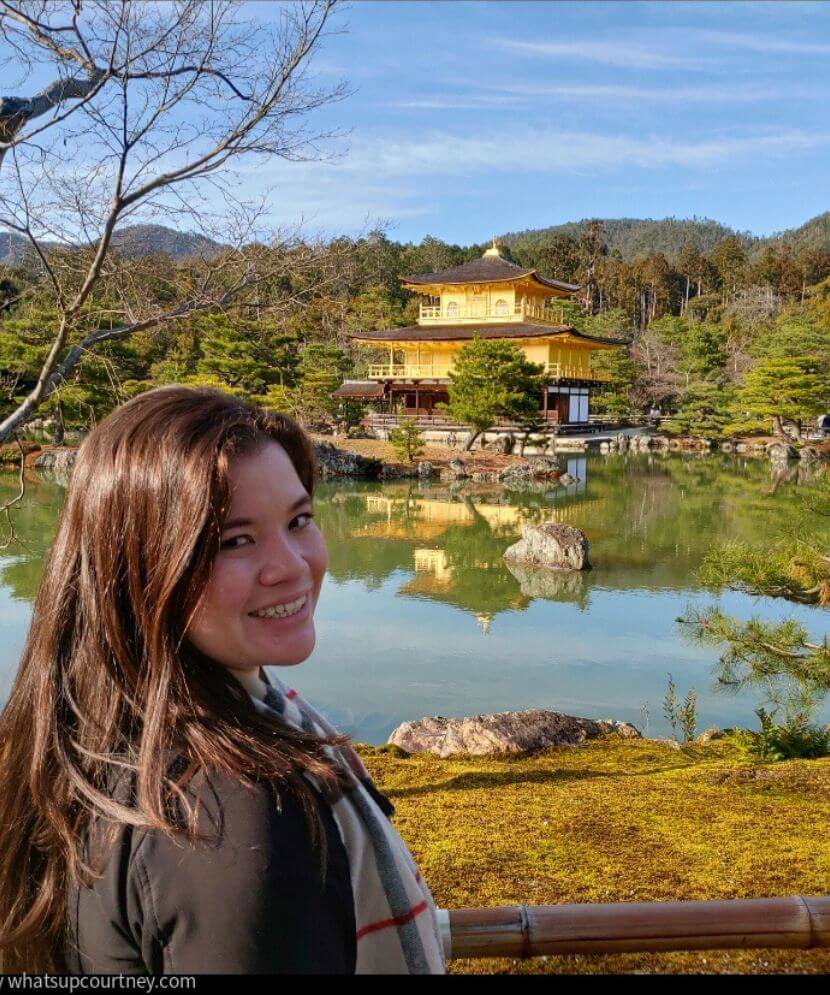
Kinkaku-ji (Golden Pavilion): Yes, it’s covered in actual gold leaf. Yes, it’s stunning. Yes, it’s crowded. Get there right when it opens at 9am if you can. The golden reflection in the pond is genuinely breathtaking.
Arashiyama Bamboo Grove: Another Instagram famous spot, and for good reason. Those bamboo stalks towering overhead create this otherworldly feeling. Early morning is essential here. By 10am, you’re shuffling through with hundreds of other people and the magic kind of disappears.
Kiyomizu-dera: The wooden stage jutting out from the hillside is iconic, and the surrounding Higashiyama district is my favorite area in Kyoto. Traditional wooden buildings, small shops, tea houses. Get lost in the side streets here.
Gion: Geisha Spotting
The Gion district is Kyoto’s famous geisha district, and yes, you might spot a geisha or maiko heading to an appointment around dusk. But please, PLEASE, don’t chase them for photos or block their path or touch them. They’re working professionals heading to work, not tourist attractions, and I’m sure you wouldn’t like it either if someone did that to you, I’m sure you won’t but there have been videos of some tourists doing this which is just sad really.
Just wander the atmospheric streets of Hanami-koji and Shirakawa, pop into a tea house, and soak in the atmosphere. It’s beautiful at night when the lanterns come on.
My favorite Kyoto moment
It was stumbling upon a tiny temple called Otagi Nenbutsu-ji in Arashiyama that has 1,200 stone statues, each with different expressions. There were hardly any tourists (except for us), completely peaceful, and absolutely charming.
Practical Kyoto tips
The bus system is way easier than Tokyo’s trains for getting around. Buy a one-day bus pass for ¥700 and hop on and off all day.
Kyoto Station is this massive futuristic building that feels out of place with the rest of the city, but the view from the top floor is great and it has tons of food options.
You can read more about how to spend 4 days in Kyoto on my other post for a more detailed breakdown of what to see and do.
Nara: Deer park day trip
From Kyoto or Osaka, Nara is about 45 minutes away and makes for a perfect day trip. And yes, the deer are everywhere. Like, everywhere. They’ll bow to you for deer crackers (shika senbei), which vendors sell for ¥200. They’re also kind of aggressive about it, so be prepared for some enthusiastic headbutting if you’re holding food.
Todai-ji Temple houses a massive bronze Buddha that’s genuinely impressive. The building itself is the world’s largest wooden structure, which is wild considering it was built in 752 AD (though it’s been rebuilt a few times since).
The deer, the temples, the peaceful vibe, a day trip Nara ended up being one of my favorite days of the whole trip. It’s way less intense than Kyoto and you can actually relax.
Osaka
Checked out of Kyoto and took the train to Osaka. These two days were all about FOOD. Dotonbori at night with all the neon signs and street food vendors everywhere. Osaka Castle during the day. Kushikatsu in Shinsekai district. Takoyaki from like five different vendors because I couldn’t help myself. Okonomiyaki at a tiny restaurant. Random snacks from Don Quijote. My pants definitely felt tighter by the end. Osaka absolutely earned its reputation as Japan’s kitchen.
Stayed at Candeo Hotel Osaka Namba which was perfectly located for all the food adventures. The public bath on the top floor was perfect after walking around all day. And there’s a supermarket (not a convenience store like 7 11), and it’s a couple minutes walk. Much cheaper and more things to buy than 7 Eleven or Family Mart.
Return to Tokyo
for Departure Took the morning shinkansen back to Tokyo. Had a few hours before my Narita flight, so did some last-minute shopping in Shibuya (more Kit Kats, obviously). Bought onigiri from a local shop to eat on the plane. This time I took a taxi to Yokohama station (didn’t want to lug the now-completely-full suitcase), then the bus straight to Narita. Check-in and security were smooth and easy. Left Japan absolutely not wanting to leave and already planning my next trip.

Osaka, the kitchen of Japan
If Tokyo is Japan’s head and Kyoto is its heart, Osaka is definitely its stomach. This city is all about food, and the phrase “kuidaore” (eat until you drop) isn’t just a saying here, it’s a lifestyle.
Dotonbori: Controlled Chaos
The neon lights, the crowds, the giant mechanical crab and octopus signs, the smell of takoyaki and okonomiyaki everywhere… Dotonbori is sensory overload in the best way. I spent three evenings here and could have kept going.
My routine: arrive around 5pm, wander the covered shopping arcades, watch the sunset over the canal, then eat everything in sight. Takoyaki (octopus balls) from street vendors, okonomiyaki (savory pancake) at a tiny restaurant, kushikatsu (fried skewers) in Shinsekai, and top it off with a weird Kit Kat flavor from Don Quijote.
Osaka Castle
Pretty self-explanatory. Beautiful castle, gorgeous grounds, interesting museum inside. It’s a reconstruction from the 1930s, but still worth a visit. Go early to avoid the tour groups.
The Laid-Back Vibe
What I loved most about Osaka is how much more relaxed it feels than Tokyo. People are friendlier, louder, more expressive. Street vendors will try to get you to try their food. Locals will strike up conversations (or try to, despite the language barrier). It’s Japan with the volume turned up a notch.
Oh, and stand on the RIGHT side of escalators here, not left like the rest of the country. Don’t ask me why. Just go with it.
If you’re looking for where to stay, I stayed at Candeo Hotels Osaka Namba and would definitely recommend it. The location was perfect for exploring Dotonbori and the public bath on the top floor was amazing after a day of walking.
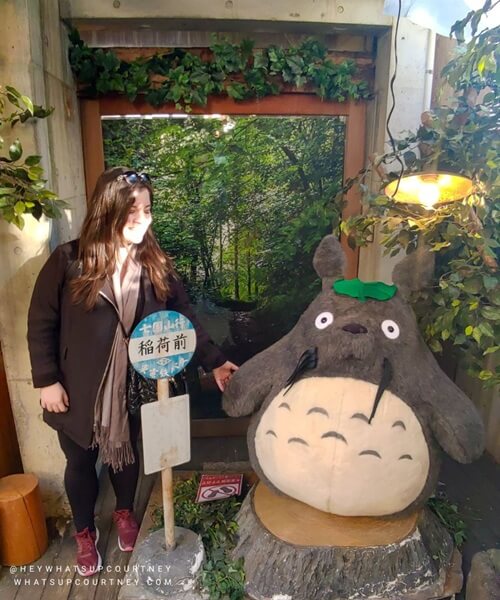
Things I wish someone had told me before I went to Japan
The language barrier isn’t as bad as you think
I was genuinely worried about this, but it ended up being fine. Major train stations have English signs. Most restaurants have picture menus or plastic food displays outside (which is genius). Google Translate’s camera function is a lifesaver. And Japanese people are SO helpful, even if they don’t speak English. Download Google Maps offline for Japan. It works on trains, buses, walking directions, everything. It literally saved me every single day.
I was genuinely worried about this, but it ended up being fine. Major train stations have English signs. Most restaurants have picture menus or plastic food displays outside (which is genius). Google Translate’s camera function is a lifesaver. And Japanese people are SO helpful, even if they don’t speak English.
Download Google Maps offline for Japan. It works on trains, buses, walking directions, everything. It literally saved me every single day.
Convenience stores are your new best friend
7-Eleven, FamilyMart, Lawson… these aren’t like convenience stores back home. They have amazing onigiri (rice balls), great coffee, decent bento boxes, clean bathrooms, and ATMs that work with international cards. I ate breakfast from a convenience store most mornings and zero regrets.
Take your shoes off
Temples, shrines, some restaurants, traditional accommodations, fitting rooms in clothing stores, and public ryokans and bathhouses, you’re going to be removing your shoes constantly. Wear slip-on shoes. Your life will be easier.
Tipping is considered rude
Don’t tip. Seriously. It’s considered insulting. The price you see is the price you pay. Service charges are included. Just say “arigatou gozaimasu” (thank you very much) and bow slightly. That’s all they want.
Vending machines are everywhere
Hot coffee, cold tea, soup, beer, vending machines line every street and they’re one of my favorite things about Japan. Hot drinks are red-labeled, cold drinks are blue-labeled. This is one of things I miss from Japan, we can’t have such nice things in the UK, it will get destroyed as you know.
The hot honey tea and calpis soda, and you might know like it but omg the calpis soda is so good!
Essential Japanese Phrases
You don’t need to speak Japanese fluently, but learning a few basic phrases makes such a difference in how people respond to you. Even terrible pronunciation gets you points for trying.
Hello / Good afternoon: Konnichiwa (kohn-nee-chee-wah)
Thank you: Arigatou gozaimasu (ah-ree-gah-toh go-zye-mahs)
Excuse me / Sorry: Sumimasen (soo-mee-mah-sen)
Yes / No: Hai / Iie (high / ee-yay)
Delicious: Oishii (oh-ee-shee)
Check please: Okaikei onegaishimasu (oh-kai-kay oh-neh-guy-shee-mahs)
“sumimasen” and “arigatou gozaimasu” will get you through 90% of interactions. Learn those two and you’re golden.
Common rookie mistakes to avoid in Japan
Trying to see too much too fast. Japan deserves time. Don’t try to cram in 10 cities in 10 days. You’ll be exhausted and won’t actually enjoy anything.
Not booking shinkansen seats during peak season. Cherry blossom time and fall foliage season mean packed trains. Reserve seats in advance if you have a JR Pass, or buy tickets early if you don’t.
Expecting everything to be high-tech. Yes, Tokyo has robot restaurants and digital billboards everywhere. But you’ll also encounter fax machines, cash-only shops, and train ticket machines that look like they’re from 1985. Japan is this weird wonderful mix of ultra-modern and charmingly old-school.
Eating while walking. It’s considered rude in most situations. Stop, eat your snack, throw away your trash (bins are rare, so carry a small bag for garbage), then continue walking.
Blowing your nose in public. Seriously rude. Sniffling is fine. Blowing is not. Duck into a bathroom if you need to.
Useful Apps you’ll actually use in Japan
Google Maps: For literally everything. Train routes, walking directions, restaurant hours.
Google Translate: Camera function for reading signs and menus. Conversation mode for basic interactions.
HyperDia: For planning train routes. More detailed than Google Maps for train schedules.
Japan Travel by NAVITIME: Great for route planning and it works offline.
Tabelog or Google Maps: For finding restaurants. Check ratings and hours.
Frequently Asked Questions I always get about Japan
Is Japan safe?
Incredibly safe. Like, fall asleep on a train and your phone will still be there when you wake up safe. I never once felt uncomfortable or unsafe, even late at night.
Can I get by without speaking Japanese?
Absolutely. Will it be easier if you know some basic phrases? Yes. But lots of tourists visit without speaking any Japanese and they survive just fine.
What about my tattoos in Onsens and Japan?
Some onsens and gyms prohibit visible tattoos (it’s historically associated with yakuza). If you have tattoos, either book a private onsen, cover them with skin-colored patches, or find tattoo-friendly places (they exist, just Google ahead).
Will my phone work?
Most modern phones work in Japan, but check with your carrier about international plans. Or get a portable WiFi device or eSIM. Staying connected makes everything easier.
Do I need a visa for Japan?
Most passport holders from countries like the US, Canada, UK, Australia, and EU nations can visit visa-free for up to 90 days. Check current requirements for your specific nationality.
Can I drink the tap water in Japan?
Yes, totally safe everywhere. Japan has some of the cleanest tap water in the world.
My Two-Week Itinerary in Japan (That You Can Copy)
Here’s exactly what I did, day by day:
Days 1-4: Tokyo Arrived exhausted, left luggage at the hotel, explored Shibuya and Harajuku (Meiji Shrine!), spent a day in Asakusa and Ueno, wandered Shinjuku and Roppongi, shopped for anime merch at Akihabara, ate all the ramen.
Day 4: Odawara (on the way to Hakone) Stopped briefly in Odawara, checked out the castle area, grabbed lunch, continued to Hakone.
Days 5-7: Hakone Did the Hakone Loop, saw Mount Fuji, stayed at a ryokan, multiple onsen sessions, ate kaiseki meals, at a volcanic egg for long life.
Days 7-11: Kyoto Fushimi Inari at dawn, Arashiyama and bamboo grove, Gion wandering, Golden Pavilion, Kiyomizu-dera, random temples everywhere, ate at tiny ramen spots. Check out my 4 days in Kyoto guide for more details.
Day 10: Nara Day Trip Fed deer, multiple deers, lost a phone cable to a deer, saw giant Buddha, watch mochi being pounded and ate the delicious mochi, back to Kyoto for dinner.
Days 11-14: Osaka Dotonbori nights, Osaka Castle, ate all the street food, more Dotonbori, wondered why my pants felt tighter.
Day 14 -15: Back to Tokyo for Flight Took morning shinkansen back to Tokyo, visited a palace, back to Akihabara for more merch, don quijote for souveniers, Shibuya, departed from Narita absolutely not wanting to leave.
What I’d do differently next time
Skip Hakone and do Kawaguchiko or the Izu Peninsula instead. Hakone was beautiful but there are less touristy places to see Mount Fuji.
Spend more time in Osaka. Three days wasn’t enough to fully experience the food scene and explore beyond the main tourist areas.
Do an overnight temple stay (shukubo). I wanted to but ran out of time. Next trip for sure.
Visit some less touristy areas. Japan has so much beyond the Golden Route, and I want to explore Kanazawa, Takayama, or the Kumano Kodo pilgrimage trails. And Hokkaido and Okinawa is big on my list.
Ready to book your trip to Japan?
I understand planning a trip to Japan can feel a lot, and I get it, but here’s what I want you to take away from all of this: Japan is one of the most rewarding destinations you’ll ever visit.
Is it different from traveling in Europe or Southeast Asia? Absolutely. Will there be moments of confusion and culture shock? Probably. But will you come home with stories and experiences and photos that you’ll treasure forever? 100%.
If you have the funds, book the flights (depending on your budget of course). Figure out the rest as you go. The hotels you’ll find, the trains you’ll navigate, the food you’ll eat, it all works out. Some of my best moments happened completely unplanned. Forget about Fomo, just experience it.
Before you go, make sure to check out my 10 must-know Japan travel tips to make your trip even smoother.
And if you’re looking for where to stay, I’ve got detailed reviews of great accommodation options like Candeo Hotels Shimbashi Tokyo, Candeo Hotels Roppongi, and Candeo Hotels Osaka Namba.
Have questions about planning your Japan trip? Drop a comment below and I’ll help you out. And if this guide helped you, Please share it with your friends who are also dreaming about visiting Japan!
Happy travels, friend. Japan is waiting for you.
Courtney xx
Just a heads up! This post may contain affiliate links, meaning I get a commission if you decide to purchase something through the links, at no additional cost to you. Your support helps me continue doing what I love and provide you with the best travel guide and tips from experience. Thank you!
Explore my other Tokyo, Kyoto and Japan Travel Guides on WhatsupCourtney below:
Planning your Japan trip? Start here:
4 Days in Kyoto: The Perfect Itinerary You’ll Want to Copy
How to Spend 1 Day in Kyoto Without Feeling Rushed (2026)
The Best Sightseeing Things to Do in Kyoto Japan (what’s worth going and 3 places to skip)
• Is Arashiyama Bamboo Forest a tourist trap?: my honest take
• Is Arashiyama Monkey Park worth visiting?
Fushimi Inari Taisha, is it worth it? A mini Guide
Japan Travel Tips:
• Japan travel tips for first-timers: The Japan Travel tips I have learnt on my trip
Best time to see Cherry Blossoms in Japan 2026: Complete Guide to Sakura Season
Japan Day trip guides:
• Nara day trip from Kyoto or Osaka: deer, temples, and the best pounded mochi
Hakone Japan: 10 Must-Do Experiences & Things to do in Hakone
Where to Stay in Hakone (2026): Best Areas, Ryokans & Hotels (What I’d Book Again)
The 10 Best Things to Do in Odawara Japan (Why you should visit + Day Trip Itinerary)
Japan Hotel Reviews:
Candeo Hotels Roppongi Review: Is This Tokyo’s Best Value Luxury Stay?
Candeo Hotels Shimbashi Review: The Tokyo Hotel That Surprised Me
Candeo Hotels Osaka Namba with Japanese Breakfast & Sky Spa 2025 Review
Tokyo Travel Guides:
Roppongi Tokyo: 10 Things to Do, See & Love in the City That Never Sleeps
WhatsupCourtney
Hey! I’m Courtney, creator behind the travel and food site WhatsupCourtney and @heywhatsupcourtney on socials.
If you want trips that feels good while you’re there without the stress and to find a way to go on trips more often, you’re in the right place.You will find detailed travel itineraries to destination guides and food worth seeking out, everything here is built to help you spend less time planning and more time experiencing the places you visit.

Leave a Reply