
When you hear about Hakone, sometimes you hear people talk about “the onsen” ( the hot springs), “Mount Fuji views” (when the sky is clear at least or fog).
And don’t get me wrong, these are experiences that should be done once I say. Though some of my favorite moments in Hakone had nothing to do with onsen although they are a godsend during winter and an amazing experience to have.
I spent two days and one night in Hakone after visiting Odawara from Tokyo, stayed in a traditional ryokan with a private onsen on my balcony (which was incredible).
But I also visited an outdoor sculpture park, bought and ate the black eggs cooked in volcanic steam, rode a pirate ship across a lake, and took one of the prettiest train journeys I’ve ever been on.
My Hakone travel guide on the things to do in Hakone and where to stay in Hakone, Ryokans and suggestions on experiences and tours along the way to help you plan your trip to Hakone.
Did you know that … By purchasing through our links, at no additional cost to you, you support us at no additional cost.
Thank you for your support ♥️
Plan Your Hakone Trip:
If you’re planning Hakone right now, these are the exact things I used and recommend:
🏨 Where to Stay in Hakone (Ryokans & Hotels)
- ⭐️⭐️⭐️ Hakone Suimeisou is located a 3-minute walk from Hakone Yumoto Station, with reservable private hot-spring baths and traditional meals included. See current prices and availability here (great for a first ryokan experience)
- ⭐️⭐️⭐️⭐️ Yoshiike Ryokan features Japanese-style rooms, gardens, and hot spring baths with traditional kaiseki dining. View rooms and check availability (popular during peak seasons)
- ⭐️⭐️⭐️⭐️ Hotel Zagakukan offers adults-only rooms near Hakone station, with onsen access and great location for sightseeing. Check availability for your dates here
- ⭐️⭐️⭐️⭐️⭐️ Gora Kadan Luxury Ryokan hotel, and it’s so beautiful. Located near Gora Station on the Hakone Tozan Line. Japanese style rooms and Kaiseki available. Hot spring bath, and massage treatment available. Also near Gora Park and Hakone Open air museum.
🎟️ Best Tours & Experiences (Skip the planning stress)
- Hakone Valley Hike, Forest Bathing and Wagashi shop (Half-day) is a different side to Hakone
- Explore Hakone sights including the Anime Evangelion: Evangelion Hakone Tour Explore The Third New Tokyo City
- Guided tour: Hakone 6 hour Private Tour with Government-Licensed Guide
Get your HAKONE FREE PASS (It’s very beneficial and read more in the guide as to why)
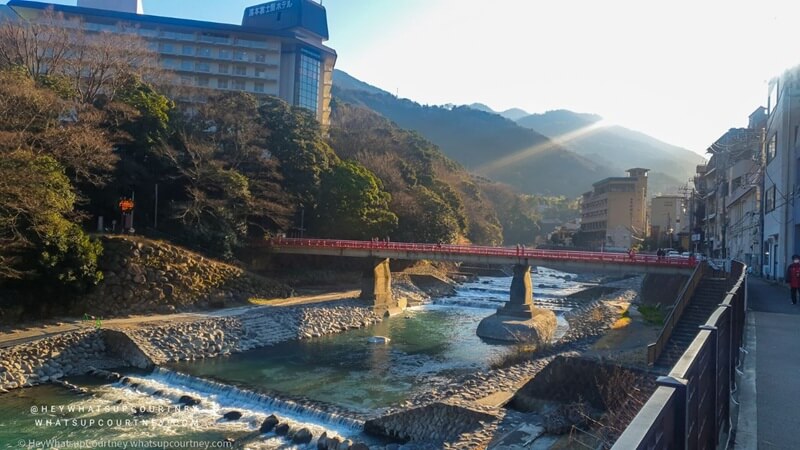
Things to do in Hakone: My experience
I spent two days in Hakone Japan, visited here from Tokyo on the way to Kyoto, and while the memories are still fresh, I wanted to write this guide about what to actually do here besides just soaking in hot water.
Don’t get me wrong, I loved the onsen experience, it was incredible, the warm water and especially if you go during cold days, it was bliss.
Having that private tub on my balcony where I could soak whenever I wanted with a cold beer (I bought one from a convenience store) and mountain views? That’s a core memory right there.
Hakone felt like more than just a Ryokan destination to me. The outdoor museum, the volcanic valley, the pirate ship (yes, pirate ship), the impossibly cute mountain train, the Torii Gate on the lake, and the food, all of that made Hakone special, not just the hot springs.
So if you’re planning a Hakone trip and wondering what to do beyond Ryokans, this is for you.
How to get to Hakone from Tokyo
Getting to Hakone from Tokyo is easy. Multiple options depending on your budget and how much time you’ve got on your itinerary.
Option 1: Odakyu Romance Car
This is the easiest and most comfortable way. The Romance Car is a limited express train running directly from Shinjuku Station in Tokyo to Hakone-Yumoto Station.
I booked mine a few days ahead online. The Romance Car is lovely, spacious seats, big windows, gorgeous mountain views as you get closer to Hakone. I spent most of the journey staring out the window and taking videos.
You can check schedules and book tickets in advance here (recommended for weekends and busy seasons). Booking: Online through Odakyu website or at Shinjuku Station
Journey time: 85 minutes
Cost: Around ¥2,330 (plus ¥1,320 for a reserved seat)
Also, get the Hakone Free Pass. It includes unlimited transport in Hakone for 2-3 days. Saved me loads of money. For the Romance Car journey, there’s a surcharge.
Check latest prices and buy your Hakone Free Pass here (worth it if you plan to explore properly)
TIP: Sit on the right side if you want the best chance of seeing Mount Fuji on clear days. I sat on the left and immediately regretted it when everyone on the right started gasping and taking photos.
Option 2: Regular Train (Budget Option)
If you’re on a tighter budget or you have a JR Pass then definitely do this especially if you have a JR pass:
- Take JR Tokaido Line from Tokyo/Shinagawa to Odawara (35-45 minutes)
- Transfer to Hakone Tozan Railway to Hakone-Yumoto (15 minutes)
- Total: About 1.5-2 hours
- Cost: Covered by JR Pass, otherwise around ¥1,500
Takes longer and requires a transfer, but it’s cheaper if you’re paying out of pocket.
Getting around Hakone: The Hakone Loop
Hakone has a great public transport. I was worried about navigating everything, but it’s actually quite straightforward once you understand the “Hakone Loop” route.
What is the Hakone Loop?
Most tourists follow this circular route using different types of transport. It sounds complicated but it’s actually fun:
- Hakone Tozan Railway: Scenic mountain train from Hakone-Yumoto to Gora (40 minutes)
- Hakone Tozan Cable Car: Gora to Sounzan (10 minutes, very steep)
- Hakone Ropeway: Sounzan to Togendai via Owakudani (30 minutes total). You’re dangling over volcanic valleys in a cable car. Brilliant.
- Hakone Sightseeing Cruise: Pirate ship across Lake Ashi from Togendai to Hakone-machi or Moto-Hakone (30 minutes)
- Hakone Tozan Bus: Fills in gaps when needed
Hakone Free Pass
I cannot stress enough how useful the Hakone Free Pass is. It covers unlimited travel on all the transport I just mentioned, plus local buses and discounts at attractions.
- 2-Day Pass: ¥6,100 (from Shinjuku)
- 3-Day Pass: ¥6,500 (from Shinjuku)
The pass more than paid for itself. Without it, individual tickets for the ropeway, cable car, and pirate ship would’ve been over ¥4,000, and that’s not even including trains and buses.
TIP: Download the Hakone Navi app. Shows real-time transport schedules.
👉 You can check the latest price and buy the Hakone Free Pass here, it’s honestly one of the easiest ways to save money in Japan.
My 2-Day Hakone Itinerary (How I’d plan it again)
If you’re short on time, this is how I’d structure 2 days in Hakone based on my experience:
Day 1:
- Arrive from Tokyo
- Hakone Open Air Museum
- Ropeway to Owakudani
- Pirate ship across Lake Ashi
- Stay overnight in a ryokan
Day 2:
- Hakone Shrine + Torii Gate
- Scenic train ride
- Optional museums or relaxing onsen
Stay safe on public WiFi in Japan
Cafes, stations, and hotels often use open networks. I personally use NordVPN when travelling to keep my data secure.
👉 Check NordVPN here
The 10 Best Things to do in Hakone
1. Hakone Open Air Museum
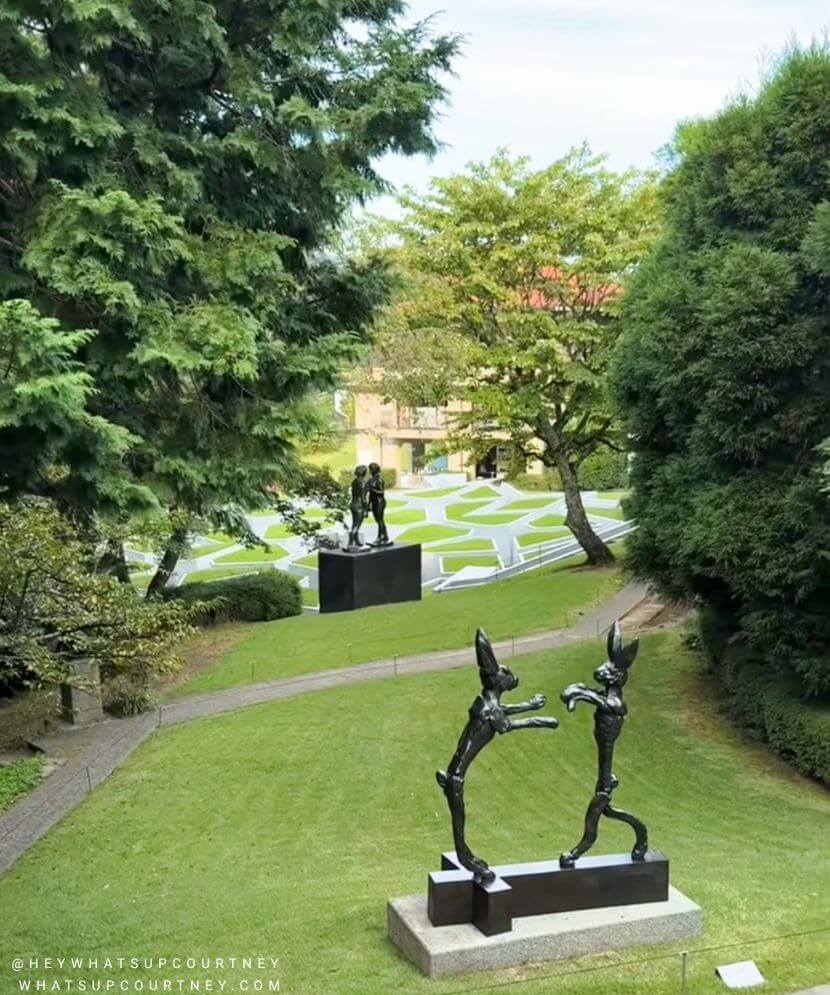
This was one of my favorite things I did in Hakone. I wasn’t expecting much from an outdoor sculpture museum (I thought it might have been a bit boring), but it surprised me.
The museum sits across these beautiful grounds with mountain views everywhere, and there are over 100 sculptures by artists like Picasso, Henry Moore, and Rodin just dotted around the gardens. You’re wandering through this gorgeous space with art installations popping up around every corner.
What I loved most:
- The Picasso Pavilion: There are over 300 works in one building.
- The Symphonic Sculpture: Stained glass tower you can walk inside. The light streaming through the colored glass is beautiful and makes for brilliant photos. This was just incredible, the one you see online.
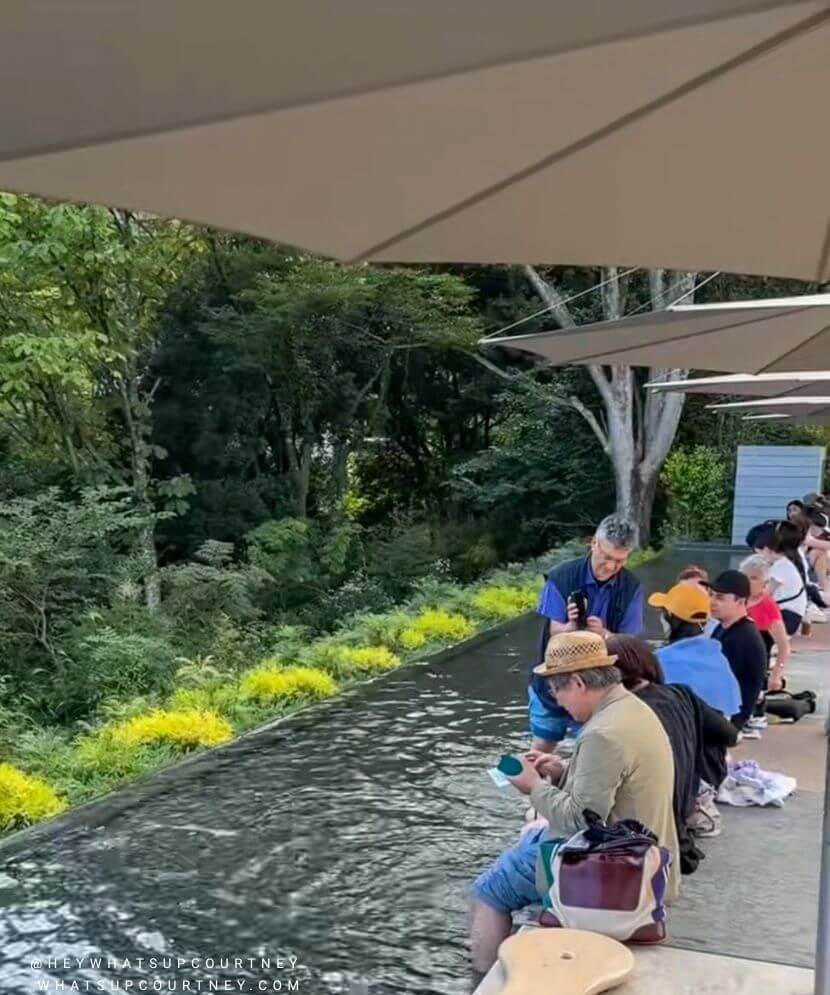
- The foot bath: There’s a foot bath with views of the sculptures. I sat here for about 20 minutes with my feet in hot water, staring at art and mountains. Bring a towel.
Opening Hours: 9:00am – 5:00pm daily (last entry 4:30pm) Cost: ¥1,600 adults (20% discount with Hakone Free Pass) How to Get There: 2-minute walk from Chokoku-no-Mori Station
I spent about 2-3 hours here and could’ve easily stayed longer. There’s a cafe on-site too.
If you’re into art or just want a peaceful morning surrounded by beauty, this is absolutely worth your time.
2. Owakudani Valley & The Black Eggs (Highly Recommend)
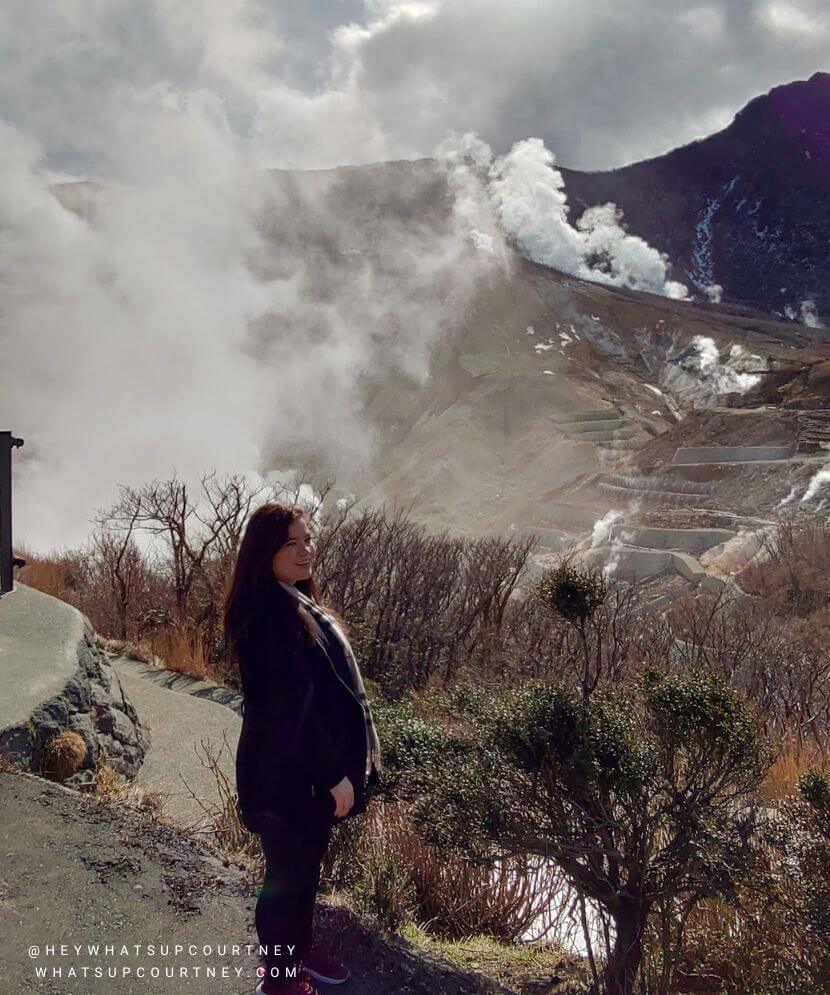
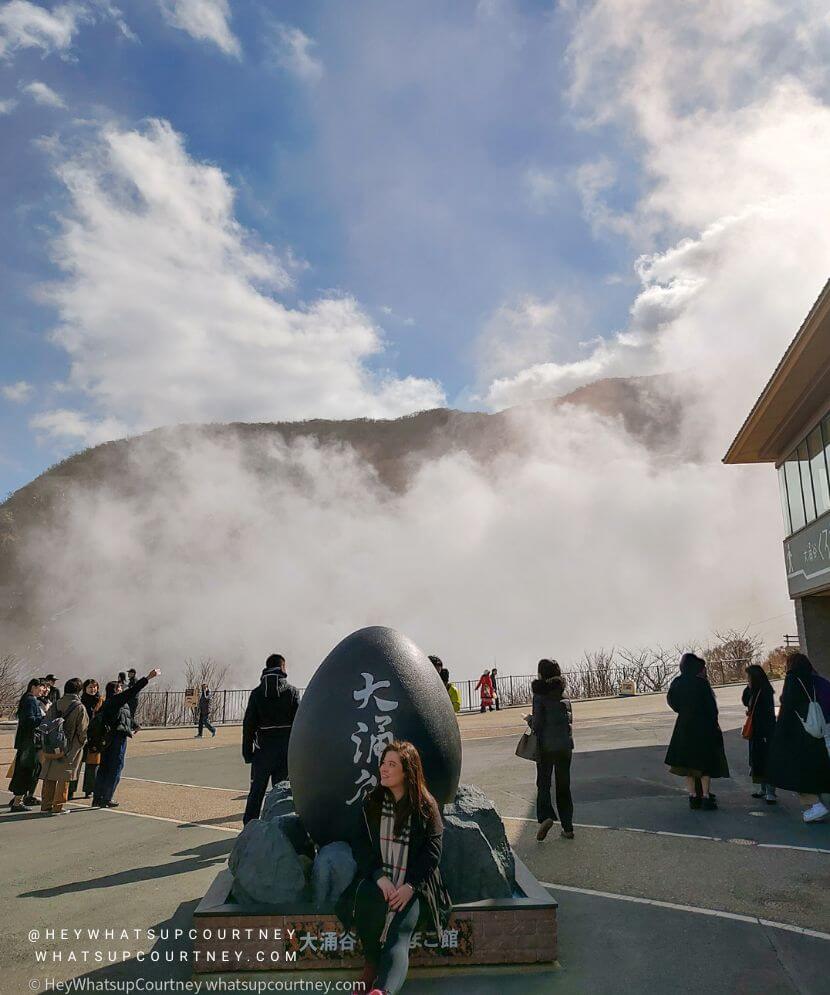
Owakudani, the valley of boiling water and hell, is basically an active volcanic valley with steam vents, sulfur springs, and bubbling pools everywhere. The moment you step off the ropeway, you’re hit with the smell of rotten eggs (sulfur), but it’s fascinating. This is an absolute must things to do in Hakone. It was such an awesome and unique experience.
The star attraction is their Kuro-tamago (black eggs). Regular eggs boiled in sulfuric hot springs, which turns the shells completely black.
So according to local legend, eating one adds seven years to your life. Naturally you eat one or 2 or maybe 3, hopefully with a sound mind and body at old age too. My partner thought I’m ridiculous, but I’m planning to live to at least 120 now, again with sound mind and body (very important).
They come in bags of five for ¥500, and they’re still warm when you buy them. You peel off the black shell to reveal a normal-looking egg inside. Actually this was a welcome because we haven’t had much to eat since breakfast.
Opening Hours: 9:00am – 5:00pm daily (but can close during high volcanic activity)
Cost: Free to visit, ¥500 per bag of black eggs How to Get There: Hakone Ropeway from Sounzan Station
The ropeway journey to Owakudani is stunning and this is a cable car ride. You’re dangling over the valley with volcanic steam rising below you and Mount Fuji in the distance on a clear day. We were quite fortunate it was.
Also, if you have respiratory problems or heart conditions, please be aware and maybe skip this one. The volcanic gases can be quite strong and abundant.
There’s also a restaurant here which was great, had time to chill here and warm up before heading out.
IMPORTANT: Owakudani can close at short notice if volcanic gas levels get too high. Check the official website the morning you plan to visit.
3. Lake Ashi & The Pirate Ship
Lake Ashi is this huge crater lake with Mount Fuji as a backdrop, and it’s one of those postcard perfect spots. It’s so fun, the ship is well reminded me of One Piece, pretend to be Luffy and the crew on a pirate ship.
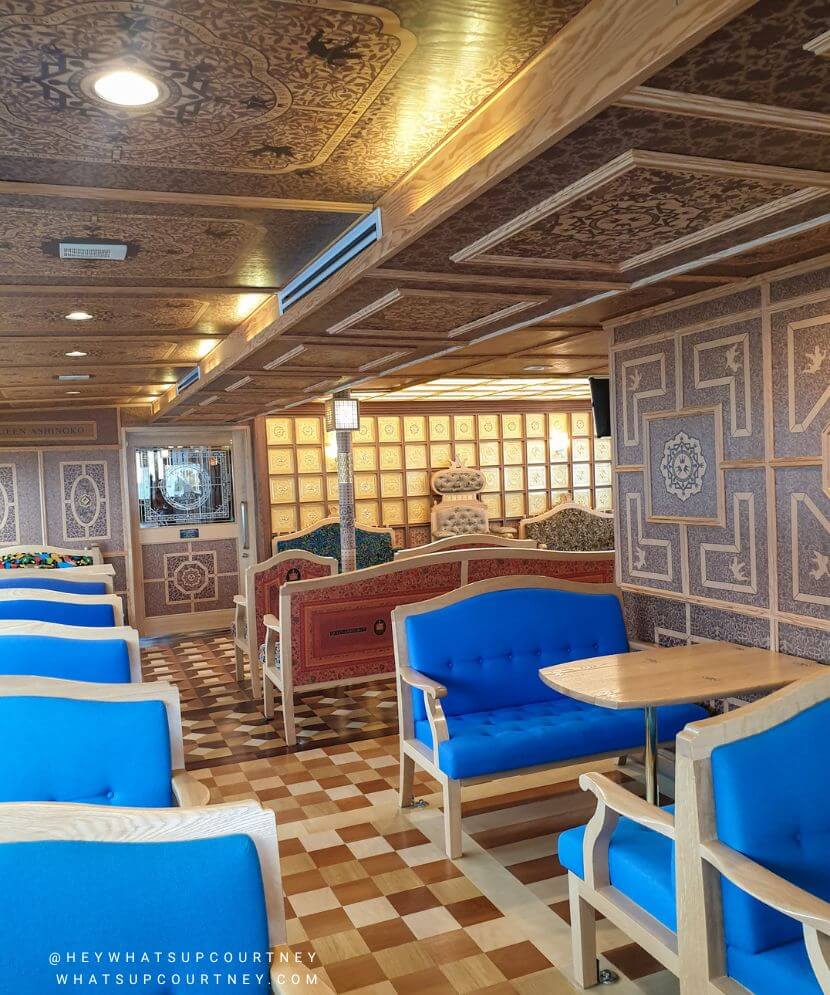
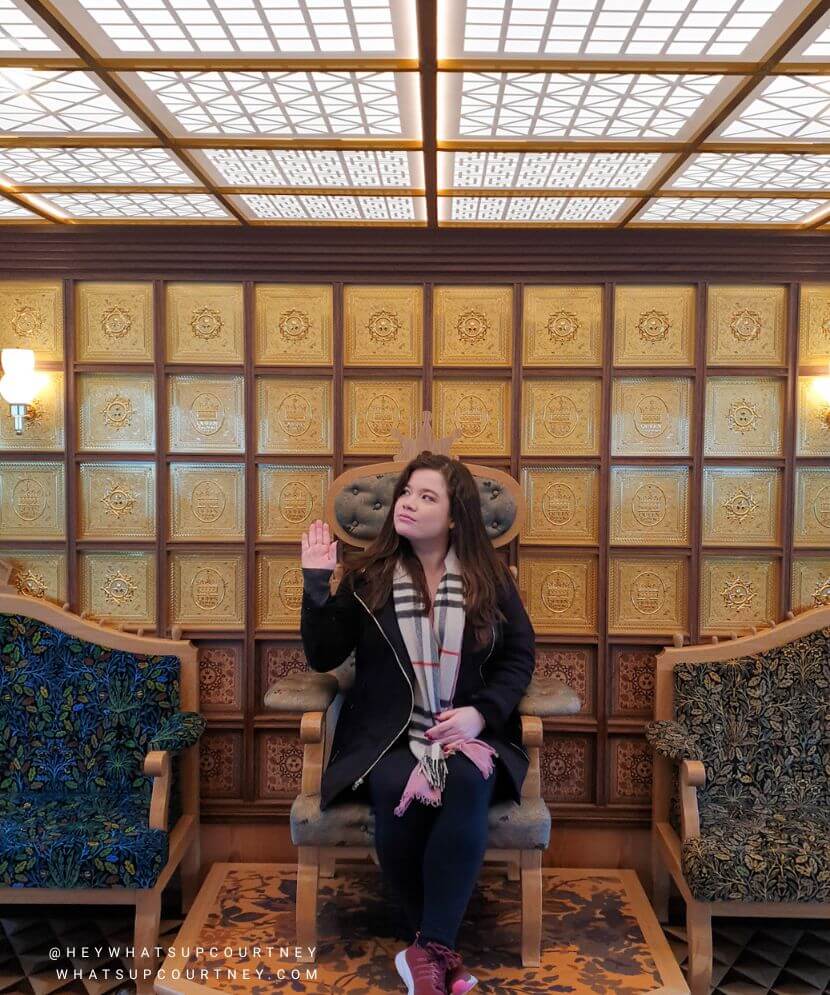
The best way to experience Lake Ashi is on the sightseeing cruise, which uses these replica pirate ships. It looks like a decadent golden pirate ship inside and windows at every corner, and you can see the entire lakeside and also the famous Tori gate on the lake.
There’s also a throne. That’s all I’m saying.
Pirate Ship Routes:
- Togendai to Moto-Hakone: 25 minutes
- Moto-Hakone to Hakone-machi: 10 minutes
Opening Hours: First departure around 9:30am, last around 5:00pm (varies by season) Cost: ¥1,200 Togendai to Moto-Hakone (free with Hakone Free Pass)
I took the boat from Togendai after visiting Owakudani. You can sit inside on wooden benches or stand outside on the deck.
TIP: If you’re visiting on a clear day and can see Mount Fuji, stand at the front of the ship for the best photos. The mountain reflecting in the lake with the pirate ship is iconic.
👉 You can also book the Hakone cruise in advance here (recommended in peak season as it sells out)
4. Hakone Shrine & The Floating Torii Gate
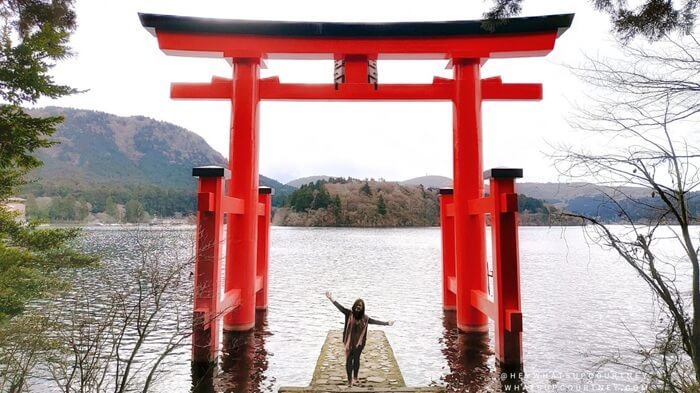
Hakone Shrine is on the shore of Lake Ashi, tucked into this beautiful cedar forest. The famous floating torii gate in the water is what everyone comes for, and I hope you get the sun and clear skies when you visit. I got grey clouds but it was equally magical.
The main shrine sits up a stone staircase through the cedar trees, and walking up through the forest feels really peaceful. We went there early, and it’s even more worth it, though albeit cold being in February. There were not many people around.
We walked straight down to the lakeside to see the torii gate up close first before the crowd comes for the photos. There was only 1 person there, waited patiently then took our spot, and we were quite fortunate there wasn’t anyone after us, so we spent sometime here enjoying the view, taking videos and photos.
The gate is partially in the water, and with the lake behind it and mountains in the background, it’s stunning.
Opening Hours: Always open Cost: Free How to Get There: 10-minute walk from Moto-Hakone Port, or take a bus
TIP: Visit in the morning before about 10:00am if you want fewer people in your photos. I went around 9:30am and it was relatively quiet. By 10:30am when I left, tour buses were arriving, and queue did start to form.
5. Hakone Tozan Railway (The Scenic Train)
The Hakone Tozan Railway isn’t just transport, it’s genuinely one of the highlights of Hakone. This mountain railway opened in 1919 and it’s the oldest mountain railway in Japan.
The journey from Hakone-Yumoto to Gora takes about 40 minutes and the train zigzags up the mountain through beautiful scenery. Every time the train switches back, the driver walks through all the carriages to the other end to become the new front. It’s brilliant to watch.
I visited in November, so the autumn leaves were incredible. The tracks wind through forest and you’re surrounded by red, orange, and gold trees. In June, apparently the tracks are lined with hydrangeas.
Opening Hours: First train around 5:30am, last around 11:00pm Cost: ¥400 (free with Hakone Free Pass)
TIP: For the best views, sit on the right side going uphill (from Hakone-Yumoto to Gora). I sat on the left by accident and spent the whole journey craning my neck.
The train itself is quite charming, old-fashioned with wooden interiors. Feels a bit like you’ve gone back in time.
6. Pola Museum of Art (If You Like Art)
If you enjoy art, the Pola Museum is excellent. Impressive collection of Western and Japanese paintings, including works by Monet, Renoir, and Picasso.
The building itself is stunning, all glass and modern design set in this beautiful forest. I loved how much natural light there was inside. The museum is designed so you can see the trees outside while you’re looking at art.
There’s also a nature trail through the woods if you want a break from art.
Opening Hours: 9:00am – 5:00pm daily (last entry 4:30pm) Cost: ¥1,800 adults How to Get There: Hakone Tozan Bus from Gora Station (about 15 minutes)
I spent about 2 hours here. The collection is manageable, you’re not overwhelmed by too much. Some museums try to show you everything they own and you leave exhausted. This one felt just right.
7. Hakone Venetian Glass Museum (Skip If Short on Time)
This one’s a bit more niche, but if you like pretty, sparkly things (which I do), it’s worth a look. The museum displays Venetian glass art in a building inspired by an Italian palace, complete with formal gardens.
I wasn’t sure what to expect, but I ended up spending longer here than planned because the glass pieces are genuinely beautiful. Chandeliers that look like they belong in a palace, delicate sculptures, loads of information about how Venetian glass is made.
Opening Hours: 10:00am – 5:30pm daily (last entry 5:00pm) Closed: January 11-31 for winter maintenance Cost: ¥1,500 adults How to Get There: Bus from Hakone-Yumoto Station (about 20 minutes)
The gardens are lovely for a wander too.
My take: It’s not essential if you’re short on time, but it’s a nice addition if you’ve ticked off the main attractions.
8. Narukawa Art Museum (For Japanese Art Fans)
This museum specializes in modern Japanese paintings and has spectacular panoramic views over Lake Ashi and Mount Fuji (when she decides to show up).
The collection focuses on nihonga (traditional Japanese-style paintings), which are quite different from Western art. Beautiful, detailed works featuring nature scenes, landscapes, and traditional subjects.
Opening Hours: 9:00am – 5:00pm daily Cost: ¥1,300 adults How to Get There: Bus from Hakone-Yumoto or Moto-Hakone
I didn’t actually visit this one (ran out of time), but friends who have been said it’s excellent, especially if you’re into Japanese art specifically.
9. Old Tokaido Road (For a Peaceful Walk)
The Old Tokaido was the historic route connecting Tokyo and Kyoto during the Edo Period. Part of the old stone-paved path is preserved in Hakone, and you can walk along it through beautiful cedar forests.
It’s quite atmospheric, you’re walking the same path that samurai, merchants, and travelers walked hundreds of years ago. The stone path is still there, worn smooth by centuries of footsteps.
The walk from Hakone-machi to Moto-Hakone takes about 30-40 minutes. Along the way, you’ll see the historic Amazake Chaya teahouse (more on that below).
Cost: Free How to Get There: Start from Hakone-machi or Moto-Hakone Port
My take: If you have extra time and like peaceful forest walks with a bit of history, do this. If you’re pressed for time, skip it.
10. Komagatake Ropeway (For Mount Hakone Views)
This ropeway takes you to the summit of Mount Komagatake (1,327 meters), which offers panoramic views of Lake Ashi, Mount Fuji, Suruga Bay, and the surrounding mountains.
At the top, there’s Hakone-Mototsumiya Shrine, which dates back over 1,200 years.
Opening Hours: 9:00am – 4:30pm (varies by season) Cost: ¥1,800 round trip How to Get There: Take a bus from Hakone-Yumoto to Komagatake Ropeway
I didn’t do this one either (only had two days), but it’s apparently fantastic on clear days.
Where to eat in Hakone
Hakone isn’t exactly bursting with dining options like Tokyo, but there are some solid spots.
👉 If you prefer having everything planned (including food stops), this Hakone day tour includes local restaurant recommendations and stops along the way
Check it here
1. Tamura Ginkatsutei Honten (Gora) – Best Tonkatsu
This place does fantastic tonkatsu (breaded pork cutlet). The pork is juicy, the coating is perfectly crispy, and it comes with rice, miso soup, and shredded cabbage.
I ordered the regular pork cutlet set, which was more than enough food.
Opening Hours: 11:00am – 8:00pm Closed: Tuesdays Price Range: ¥1,500-2,500 Location: Right near Gora Station
There’s often a queue during lunch and dinner, but it moves quickly.
2. Amazake Chaya (Moto-Hakone) Historic Teahouse
This traditional teahouse has been serving travelers since 1648. Yes, 1648. Over 370 years.
I stopped here for a break while walking the Old Tokaido Road. The amazake (sweet rice drink) is warming and slightly sweet, perfect for a cold day. The mochi is grilled over charcoal and served with sweet soy sauce. Simple but delicious.
Opening Hours: 7:00am – 5:30pm daily Closed: Thursdays Price Range: ¥600-1,000
The atmosphere alone makes this place worth visiting. You’re sitting in a 370-year-old building, drinking the same drink travelers have been drinking here for centuries.
3. Hakone Bakery (Gora) Good for Breakfast
If you need breakfast or a quick bite, this bakery near Gora Station does excellent pastries and sandwiches. I grabbed a curry pan (curry-filled bread) here in the morning and it was delicious.
They also do good coffee, which is essential for me in mornings.
Opening Hours: 10:00am – 5:00pm Closed: Wednesdays Price Range: ¥200-600
4. Your Ryokan
If you’re staying in a ryokan like I did, dinner and breakfast are often included. Do NOT skip the meals, it’s quite the experience.
My ryokan served this beautiful kaiseki dinner with local fish, seasonal vegetables, house-made tofu, and about seven other small dishes. Each course was perfectly presented and tasted amazing. Breakfast was Japanese-style with grilled fish, rice, miso soup, pickles, and all these little side dishes.
Both meals were absolute highlights of my stay.
TIP: Many ryokans serve dinner quite early (around 6:00pm or 6:30pm). Plan your day accordingly. I nearly missed mine because I lost track of time at the Open-Air Museum.
If you’re planning to stay in a ryokan (which I highly recommend), I’d book early. The best ones sell out quickly, especially for spring and autumn.
👉 Check latest ryokan prices in Hakone here
Hakone Travel Tips
Here are all the things I wish someone had told me before I went:
1. Buy the Hakone Free Pass
I’ve mentioned this multiple times, but seriously, get the pass. Saves you money and makes everything easier.
2. Start early
Popular spots get really crowded, especially weekends. I started around 9:00am and had most places nearly to myself for the first hour. By 11:00am, tour buses were arriving.
3. Check the weather (For Mount Fuji)
Mount Fuji is famously shy. She’s often hidden by clouds, especially in summer. Best chances are early morning in winter or clear days after rain.
I checked the forecast obsessively before my trip. Still didn’t see Fuji because clouds rolled in, but that’s life.
4. Bring cash
Many smaller restaurants and shops don’t take cards. I always carry at least ¥10,000 in cash.
5. Pack layers
Hakone is in the mountains, it’s cooler than Tokyo, especially evenings and mornings.
I visited in November and it was quite chilly, especially on the ropeway and pirate ship where you’re exposed to wind.
6. Allow enough time
Don’t try to do Hakone as a rushed day trip from Tokyo. The minimum I’d recommend is arriving around lunchtime on day one, spending the afternoon and next morning sightseeing, then leaving after lunch on day two.
I stayed one night and that felt perfect. Two nights would give you even more time to relax.
7. Onsen etiquette
If you’re using public baths:
- Shower thoroughly before getting in the bath
- No swimming costumes. Everyone is naked. You get used to it.
- No tattoos (traditionally). Some places are relaxing this rule, check first.
- Keep your small towel out of the water
- Be quiet and respectful
If you’re nervous about public bathing, look for a ryokan with a private onsen in your room like I did. Problem solved.
8. Download offline maps
Phone signal can be patchy in the mountains. Download Google Maps for offline use.
9. Book accommodation early
Hakone is popular, especially during autumn leaves and weekends. Book your ryokan as early as you can.
I booked mine about 6 weeks before and the selection was already limited.
10. Check the Opening hours for the attractions
Always double check the opening hours and also the days you are going for some of the attractions just in case they are closed that day or closed early.
Best Time to visit Hakone
Spring (March-May): Cherry blossoms in early April, azaleas and rhododendrons in May. Mild temperatures. Can be very busy during Golden Week (late April/early May).
Summer (June-August): Hydrangeas along the railway in June. Warm weather, perfect for hiking. Mount Fuji often hidden by clouds. Peak season, expect crowds.
Autumn (September-November): Spectacular autumn leaves in November (this is when I visited). Clear skies, best season for Mount Fuji views. Very popular.
Winter (December-February): Best season for Mount Fuji views (clearest air). Cold but usually sunny. Hot springs feel even better when it’s freezing. Fewer tourists.
I visited in November for autumn leaves and I’d highly recommend it. The weather was perfect, and the colors were incredible. Red, orange, gold leaves everywhere.
The only downside? I didn’t see Mount Fuji because of clouds. But that’s the trade-off. Autumn has gorgeous leaves but less reliable Fuji views. Winter has better Fuji views but no colorful leaves.
Is Hakone worth visiting?
Yes, absolutely yes, it was so relaxing, everyone was friendly. Ate lovely food, and snacks. Realised their 7 11 has drinks other cities don’t have. The lemon and honey drink is forever embedded in my memory taste buds.
It is touristy but again most of Japan is.
Staying in a traditional ryokan with a private onsen was a dream, I made sure to fit it around our budget and there are many different types here with different prices.
The Open-Air Museum was amazing, the volcanic valley with legen, wait for it… dary! black eggs, the pirate ship, the torii gate felt like an anime romantic moment, and genuinely good food as I said, and you’ve got a great two days.
Also it’s more of a relaxing vibe than the bigger cities like Tokyo, Kyoto and Osaka.
The only thing I’d do differently? Stay two nights instead of one. I felt a bit rushed on the second day because I had to check out and catch a train back to Kyoto.
If you’re planning a trip to Japan, please add Hakone to your itinerary at least once in your travels. It’s easy to reach from Tokyo or Kyoto, and it offers perfect contrast to the busy city.
I went from Tokyo to Odawara then to Hakone then spent over 4 days in Kyoto.
Just remember to book accommodation early, get the Hakone Free Pass, pack warm layers, and pray to the weather gods for clear skies so you can see Mount Fuji.
And if you don’t see Mount Fuji, don’t be too disappointed. Hakone is still absolutely worth it without her.
Have you been to Hakone? Did you see Mount Fuji? Let me know in the comments!
Courtney xx
Explore my other Tokyo, Kyoto and Japan Travel Guides on WhatsupCourtney below:
Planning your Japan trip? Start here:
4 Days in Kyoto: The Perfect Itinerary You’ll Want to Copy
How to Spend 1 Day in Kyoto Without Feeling Rushed (2026)
The Best Sightseeing Things to Do in Kyoto Japan (what’s worth going and 3 places to skip)
• Is Arashiyama Bamboo Forest a tourist trap?: my honest take
• Is Arashiyama Monkey Park worth visiting?
Fushimi Inari Taisha, is it worth it? A mini Guide
Japan Travel Tips:
My Japan Travel Guide 2026: First Timer’s Itinerary and Everything You Need to Know
• Japan travel tips for first-timers: The Japan Travel tips I have learnt on my trip
Best time to see Cherry Blossoms in Japan 2026: Complete Guide to Sakura Season
Japan Day trip guides:
• Nara day trip from Kyoto or Osaka: deer, temples, and the best pounded mochi
Where to Stay in Hakone (2026): Best Areas, Ryokans & Hotels (What I’d Book Again)
The 10 Best Things to Do in Odawara Japan (Why you should visit + Day Trip Itinerary)
Japan Hotel Reviews:
Candeo Hotels Roppongi Review: Is This Tokyo’s Best Value Luxury Stay?
Candeo Hotels Shimbashi Review: The Tokyo Hotel That Surprised Me
Candeo Hotels Osaka Namba with Japanese Breakfast & Sky Spa 2025 Review
Tokyo Travel Guides:
Roppongi Tokyo: 10 Things to Do, See & Love in the City That Never Sleeps
WhatsupCourtney
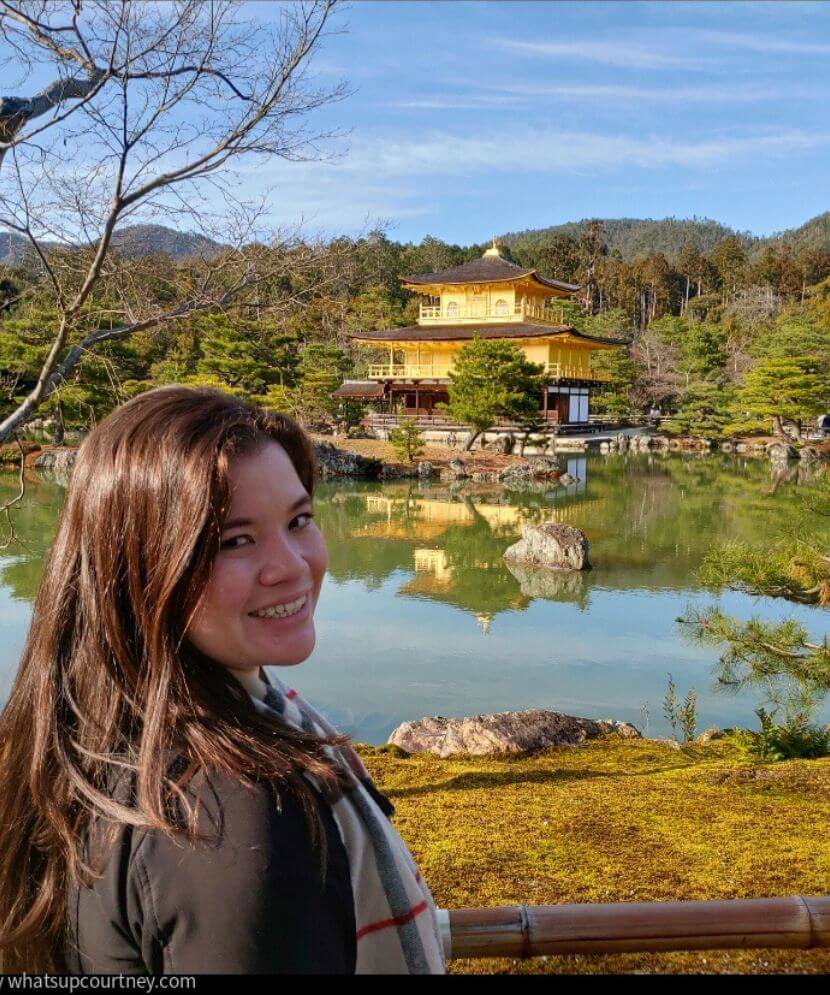
Hey! I’m Courtney, traveller and content creator behind the travel and food blog WhatsupCourtney. I’ve spent over 10 years exploring travel destinations across Asia, Europe and beyond with a particular focus on cultural experiences, adventures and their food. Instead of the traditional curated Instagram style blogging, I am trying instead, to show you the realistic, raw, and exotic side of travel and a whole lots of food that goes with it. Because I believe food is part of the country culture and needs to be tried and shown proudly.
I have recently traveled around Shanghai China, day trips to Dubai and Paris, explored the Golden Route in Japan, and as you know I was born and raised in Jakarta Indonesia so will be providing lots of Indonesian travel tips and Newcastle Upon Tyne UK travel guides as a local.
Leave a Reply