
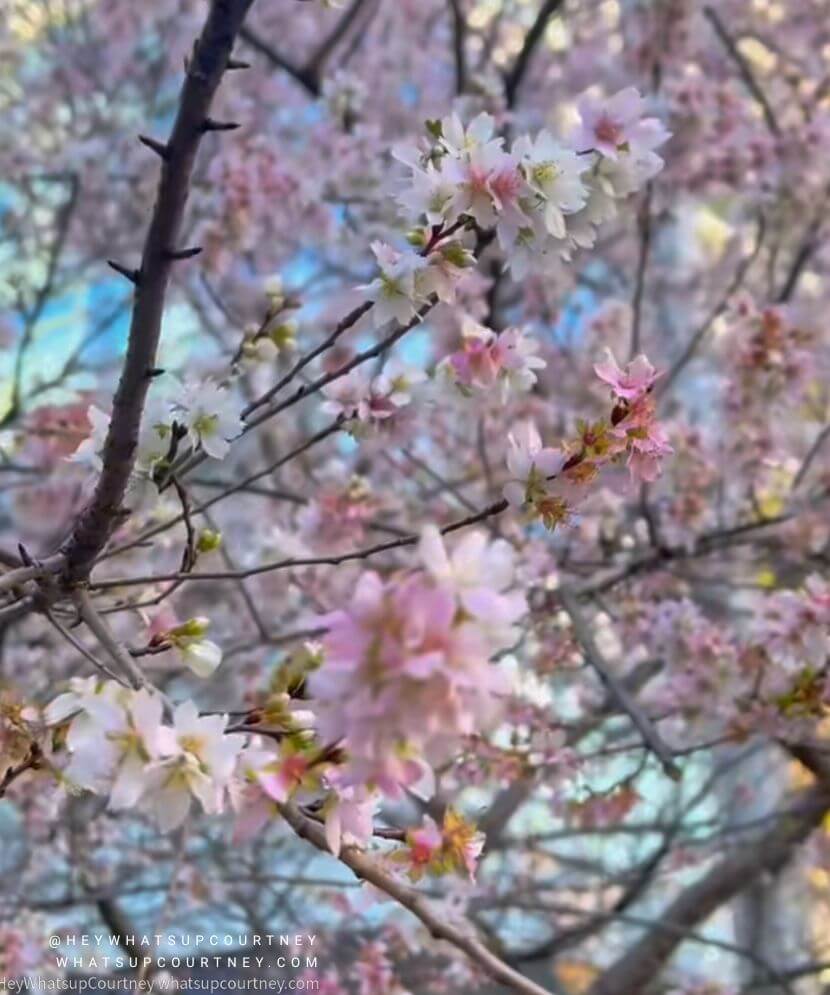
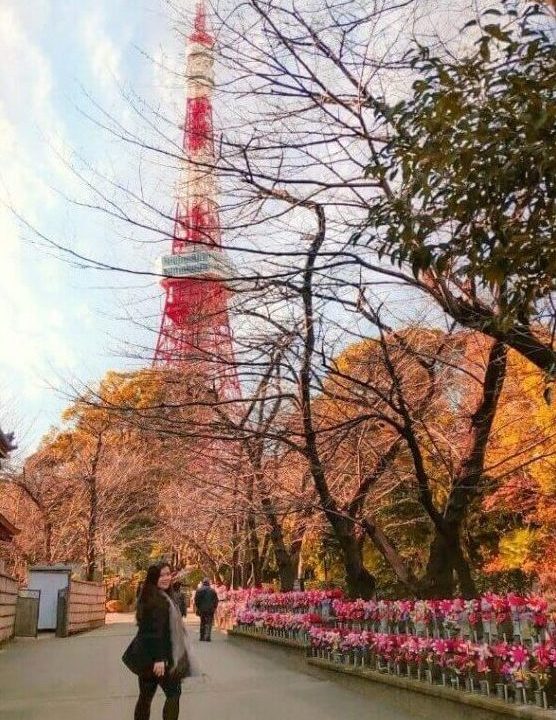
Cherry Blossoms in Japan is arguably one of the best things to do in Japan, and a bucket list moment especially for me. You are here looking to know when the best time to see Cherry Blossoms in Japan. The thing is the answer may vary and it also varies every single year. Few years ago, we visited in February and to our surprise, the cherry blossoms in Japan started to bloom early in February.
Sometimes you might hear about people talked about immense crowds, sky high hotel prices, and the stress of chasing forecasts that change weekly. And while this maybe true, with some good planning ahead especially for plane tickets and hotel rooms, there is a good chance.
This cherry blossoms in Japan guide walks you through everything for 2026. I’ll provide official forecasts that was released (they’re out early this year), the dates to book for each city, which spots to visit when, and the strategies I wish someone had told me before my first trip.
Also I may suggest some tours and/or experiences throughout the post for your consideration.
This guide is updated regularly with the latest cherry blossom forecasts. Current information reflects the second official 2026 forecast released January 8, 2026 by the Japan Meteorological Corporation.
Quick Navigation: Everything You Need for 2026
Best overall dates: March 27 to April 7, 2026
Peak bloom forecast (updated Jan 8, 2026):
- Tokyo: March 27
- Kyoto: April 1
- Osaka: March 31
When to book: December 2025 through January 2026 for best selection
Budget: Expect $150-300/night for hotels (vs. $80-150 off-season)
Just a heads up! This post may contain affiliate links, meaning I get a commission if you decide to purchase something through the links, at no additional cost to you. Your support helps me continue doing what I love and continue to provide you with free Travel guides. Thank you!
Here are my top picks Hotels in Japan that I have researched and stayed in:
⭐️⭐️⭐️⭐️ Candeo Hotels Shimbashi ( Quieter location, and the rooms are lovely with an indoor infinity public bath as well, close to station) : Click here for rates & availability
⭐️⭐️⭐️⭐️ Candeo Hotels Roppongi Tokyo (Great location, and the rooms are lovely plus they have an indoor with views public bath) : Click here for rates & availability
⭐⭐️⭐️⭐️ The Thousand Kyoto : modern, peaceful and right next to Kyoto Station. Perfect if you’re coming in by train.
⭐⭐️⭐️⭐️ Gion Yoshi-Ima Ryokan : a traditional tatami-room stay right in Gion for the full Japanese experience, stunning rooms and good location as well.
⭐️⭐️⭐️⭐️ Candeo Hotels Osaka The Tower (New Hotel, Ryokan style, Prime location, and the rooms are lovely with an outdoor infinity public bath as well) : Click here for rates & availability
⭐️⭐️⭐️⭐️ Candeo Hotels Osaka Namba (Prime location, and the rooms are lovely plus they have an outdoor infinity public bath) : Click here for rates & availability
Hotel Sites I trust: Booking.com and Expedia
Cherry Blossom experiences and tours in Japan:
1. Kyoto’s Cherry Blossom Splendor: A 3-Hour Sakura Tour
2. Tokyo: Mt. Fuji & Hakone Cherry Blossoms Private Day Tour
🗺️ Insurance: Protect yourself on your trip with Travel Medical Insurance.
📱 Connect: Always stay connected, and do so seamlessly, with a Japan eSim!
🚗 Traveling around Japan? Discover Affordable Car Rentals here!
Understanding Japan’s Cherry Blossom season (What they don’t tell you)
Before we get into dates and locations, you need to understand how this works. Because “cherry blossom season” isn’t one magical week where all of Japan turns pink simultaneously.
Before diving into specific dates, you need to understand how the season works. Cherry blossom season isn’t one magical week where all of Japan turns pink simultaneously. Also if it is your first time in Japan, there are some rules and etiquettes to abide by.
The Bloom Front moves North
Think of cherry blossoms like a wave traveling up the country. Okinawa blooms in January. Tokyo and Kyoto peak late March to early April. Hokkaido doesn’t bloom until late April or early May.
This geographical spread is your advantage. It means you have flexibility. Miss the peak in Tokyo? Head to higher elevations around Mt. Fuji. Running late? Hokkaido is waiting.
Kaika vs. Mankai (This Matters More Than You Think)
Japanese weather services track two specific stages:
Kaika (開花): First bloom, when 5-10% of buds open
Mankai (満開): Full bloom, when 80%+ of flowers are open
Here’s what nobody tells you: The period between kaika and mankai is also beautiful. I’ve photographed trees at 40% bloom that looked stunning. If you arrive a few days “early” by forecast standards, you’ll still see plenty of blossoms.
Full bloom typically lasts 4 to 7 days if weather cooperates. Then comes my favorite stage: when petals start falling. The Japanese call this hanafubuki (花吹雪), “flower blizzard.” Watching thousands of pink petals swirl through the air and carpet the ground is genuinely beautiful.
Different varieties bloom at different times
This is the secret that saved my third trip. Most forecasts track Somei Yoshino, the most common variety. But parks and gardens also plant:
- Kawazu-zakura: Blooms in February, vibrant hot pink
- Shidare-zakura (weeping cherry): Blooms slightly earlier than Somei Yoshino
- Yaezakura: Blooms 1-2 weeks after Somei Yoshino, with fuller double petals
2026 Cherry Blossom Forecast: Official dates (Updated January 8 2026)
The Japan Meteorological Corporation released their second official 2026 forecast on January 8, 2026. Here’s what you need to know:
The big news: Blossoms are expected to bloom earlier than usual across much of Japan due to warmer temperatures predicted for March and April 2026.
Major Cities: First Bloom → Full Bloom
| City | First Bloom (Kaika) | Full Bloom (Mankai) |
|---|---|---|
| Tokyo | March 20 | March 27 |
| Kyoto | March 25 | April 1 |
| Osaka | March 24 | March 31 |
| Nagoya | March 20 | March 28 |
| Kanazawa | March 31 | April 6 |
| Hiroshima | March 21 | March 28 |
| Fukuoka | March 21 | March 30 |
| Sendai | April 5 | April 10 |
| Hakodate | April 27 | May 1 |
| Sapporo | April 27 | May 1 |
Important: These dates can shift by ±3-5 days depending on March weather. The forecast gets updated weekly starting mid-February. Check the Japan Meteorological Corporation website for the latest adjustments.
Next forecast update: January 22, 2026
Regional Breakdown by Week
Late March (March 20-31):
Southern Kyushu, Hiroshima, Osaka, Tokyo, Nagoya
Early April (April 1-10):
Kyoto (late peak), Kanazawa, Takayama, northern Kanto
Mid to Late April (April 11-30):
Tohoku region (Sendai, Yamagata), southern Hokkaido
Late April to Early May (April 27-May 10):
Sapporo, Asahikawa, northern Hokkaido
When should you visit to see the Cherry Blossoms?
When should you visit? Although disclaimer, weather may change and they may bloom earlier or even later, so it’s just a guide to give you an idea.
Also these options are for those looking to chase Sakura blossoms while you are hitting the main cities or visiting other parts of Japan.
Option 1: Peak bloom in major cities
Best dates: March 27 to April 7, 2026
Sample 10-day itinerary:
- March 27-30: Tokyo (peak bloom)
- March 31-April 2: Hakone or Kawaguchiko (Mt. Fuji area)
- April 3-6: Kyoto (peak bloom)
- April 7-8: Osaka
- April 9: Fly home
Pros: You’ll see peak bloom in multiple cities. Classic Tokyo-Kyoto-Osaka experience. Plenty of hanami festivals and events.
Cons: Most expensive period. Heaviest crowds. Hotels could book out 6-8 months ahead but always check. Trains and attractions packed on weekends.
This is what I did for my 2023 trip. Worth it if you’re comfortable with crowds and can book early. The energy during peak season is part of the experience.
Option 2: Chase the bloom up north
Best dates: March 25 to April 20, 2026
Sample 3-week itinerary:
- March 25-28: Fukuoka/Hiroshima (early bloom)
- March 29-April 2: Osaka and Kyoto
- April 3-6: Tokyo
- April 7-10: Takayama or Kanazawa
- April 11-15: Sendai and Tohoku
- April 16-20: Hokkaido (if timing allows)
Pros: You follow peak bloom as it moves north. Multiple chances to see mankai. Less crowded in northern regions. Flexibility built in.
Cons: Requires more time (2-3 weeks ideal). More complex planning. More expensive due to longer stay.
Who this works for: Photographers wanting perfect conditions. People who’ve done the Tokyo-Kyoto circuit before. Anyone with time and flexibility.
Option 3: Early Bloomers & Off-Peak
Best dates: February 10 to March 10, 2026 OR April 25 to May 10, 2026
February option:
Visit Kawazu on the Izu Peninsula for the early-blooming Kawazu-zakura. These deep pink blossoms peak in late February, about a month before Tokyo. From Tokyo, it’s a 2.5-hour train ride.
The Kawazu Sakura Festival runs roughly February 10-March 10. You’ll see about 850 cherry trees lining a 4km river walk. The blossoms are more vibrant pink than the pale Somei Yoshino.
Late April/early May option:
Hokkaido blooms latest, from late April through early May. Hakodate’s Goryokaku fort typically peaks around May 1. Sapporo’s parks hit full bloom around May 1-3.
Pros: Hotel prices 40-60% lower than peak season. Significantly smaller crowds. Easier bookings. You still see spectacular cherry blossoms.
Cons: You’ll miss the classic Tokyo/Kyoto peak experience. Fewer hanami festivals. Some spots won’t have any blossoms yet (or will be done).
Option 4: If you are more flexible with time and costs
Best dates: April 1-10, 2026
Strategy: Book in the middle of peak season and accept you’ll be slightly early or late depending on actual weather. With a 10-day window spanning Tokyo through Osaka, you’re virtually guaranteed to catch peak bloom somewhere.
Sample 10-day flexible itinerary:
- Days 1-3: Start wherever forecast looks best
- Days 4-6: Second city
- Days 7-9: Third city or day trips
- Day 10: Fly home
Pros: Simplest planning. Don’t need to obsess over forecasts. Very likely to see peak bloom in at least 1-2 locations.
Cons: Might miss absolute peak in your preferred city. Requires accepting some uncertainty.
My take: This is what I’d recommend for most first-timers who can’t be flexible with dates. The first week of April is the safest bet for central Japan.
Best Places to See Cherry Blossoms in Japan (City by City)
1. Tokyo: Modern City Meets Traditional Hanami
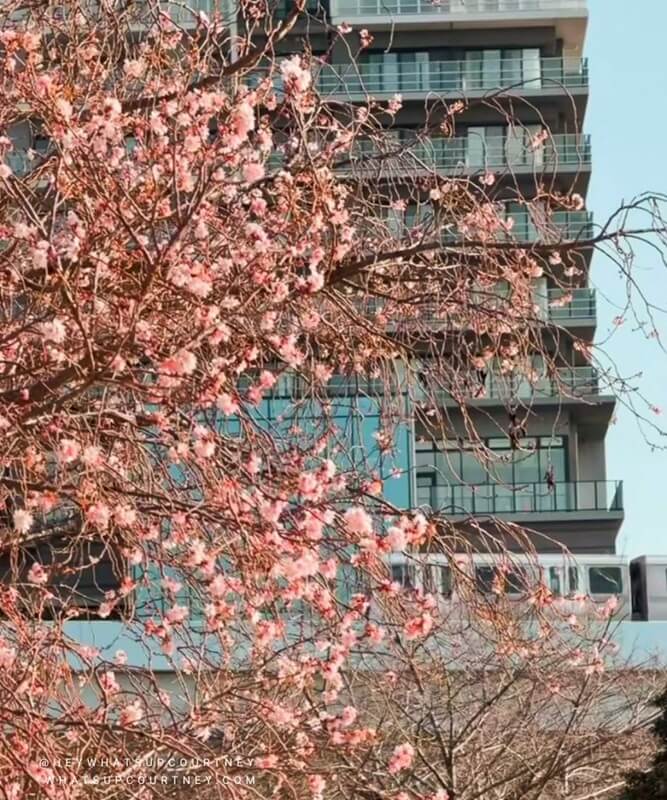
Tokyo surprised me. For such a dense, urban city, there are hundreds of cherry blossom spots within easy reach.
Meguro River (My Top Pick)
About 800 cherry trees line 3.8 kilometers of the Meguro River through Nakameguro. When you’re standing on one of the bridges looking down the canal, trees on both banks create a complete tunnel of pink.
The Nakameguro Cherry Blossom Festival runs throughout peak season with food stalls, local crafts, and evening illuminations. The night viewing is spectacular. Pink lanterns glow among the branches, reflecting off the dark water below.
When to visit: Peak bloom March 28 to April 3, 2026
Crowd level: Very high, especially evenings and weekends
Best time: Go at 7 AM for peaceful morning light, or embrace the evening crowds for the festival atmosphere
How to get there: Nakameguro Station (Hibiya Line), exit and walk toward the river
Insider tip: Walk upstream (away from Nakameguro Station) for fewer people. The trees extend all the way to Ikejiri-Ohashi Station.
Shinjuku Gyoen National Garden
This is where I finally understood why cherry blossoms matter so much to Japanese culture.
Shinjuku Gyoen has three distinct garden styles (Japanese, French, English) and over 1,000 cherry trees of different varieties. Because of this variety, the bloom period stretches longer than most locations. You can visit anywhere from late March through mid-April and see something beautiful.
The park charges ¥500 entry. That fee keeps it slightly less crowded than free parks and pays for maintenance. No alcohol allowed, so it’s quieter than places like Ueno.
When to visit: Late March through mid-April for different varieties
Crowd level: Moderate (entry fee helps)
Best time: Weekday mornings around 9 AM
How to get there: Shinjuku-gyoenmae Station (Marunouchi Line), 5-minute walk
What to see: The Japanese garden’s weeping cherry trees are stunning. The lawns also have 200+ trees perfect for picnics.
Ueno Park (Classic Tokyo Hanami)
Ueno Park is where Tokyo does hanami traditionally. Over 1,000 cherry trees, and during peak season, locals arrive early morning to claim picnic spots with tarps. By afternoon, the whole park is covered with groups having parties.
This is louder and more social than other spots. People bring elaborate picnic setups, plenty of sake, and stay all day. If you want to experience how Tokyo celebrates cherry blossoms, this is it.
When to visit: Peak bloom March 28 to April 3, 2026
Crowd level: Extreme
Best time: Before 8 AM if you want space. After 2 PM if you want the party atmosphere
How to get there: Ueno Station (multiple lines), immediate exit to park
Food tip: The park has food stalls during sakura season, but I prefer buying bento boxes at the department store food halls in Ueno Station before entering the park.
Chidorigafuchi
The moat around the Imperial Palace has about 260 cherry trees creating a spectacular tunnel effect. The water reflects the blossoms, doubling the visual impact.
You can rent rowboats and paddle under the cherry trees. It’s as romantic as it sounds, though expect 30-45 minute waits during peak bloom. Book tickets online if possible.
Evening illuminations run from late March through early April. The lit-up blossoms reflecting off the moat at night create an almost surreal atmosphere.
When to visit: Peak bloom March 28 to April 3, 2026
Crowd level: Very high
Best time: Weekday mornings or late evening after illumination crowds thin
How to get there: Kudanshita Station (multiple lines), 5-minute walk
Sumida River
Cherry trees line both sides of the Sumida River with Tokyo Skytree as the backdrop. This gives you that quintessential “modern Tokyo meets traditional Japan” photo opportunity.
River cruises operate during sakura season. The 40-minute boat ride shows you the blossoms from water level, which offers a completely different perspective.
When to visit: Peak bloom March 28-April 3, 2026
Crowd level: Moderate to high
Best time: Sunset for the Skytree lighting up
How to get there: Asakusa Station, walk to the riverside promenade
2. Kyoto: Where History Meets Hanami
If Tokyo gave me modern hanami, Kyoto showed me why cherry blossoms have inspired Japanese poetry for centuries. The combination of ancient temples, traditional gardens, and thousands of cherry trees is something you can’t experience anywhere else. And if you have 4 days to spend in Kyoto, here’s some places to see the Sakura blossoms.
Philosopher’s Path (Tetsugaku-no-michi)
This 2 kilometer stone walkway follows a canal through northern Kyoto. About 500 cherry trees line the path, named after philosopher Nishida Kitaro who walked here daily for meditation.
Despite being popular, the path is long enough that it never feels oppressively crowded. Small cafes, shops, and temples dot the route. Ginkaku-ji (Silver Pavilion) sits at the north end, Nanzen-ji temple at the south.
I walked this path three times during my week in Kyoto. Early morning for peaceful photography. Midday to pop into cafes. Late afternoon when petals were falling and creating a pink carpet over the stone path.
When to visit: Peak bloom April 2 to 8, 2026
Crowd level: Moderate (spread out over 2km)
Best time: Early morning (before 8 AM) or late afternoon
How to get there: Bus to Ginkaku-ji-mae stop, walk to north end of path
Walking tip: Start at Ginkaku-ji (north end) and walk south toward Nanzen-ji. This way you’re walking slightly downhill and ending at the impressive temple complex.
While you are in Kyoto, I have a full guide on the list of best sightseeing things to do in Kyoto.
Maruyama Park
Kyoto’s most famous hanami spot centers around one enormous weeping cherry tree. This 70-year-old shidarezakura becomes the star of every cherry blossom postcard from Kyoto.
The tree is illuminated at night, and the evening atmosphere is incredible. Food stalls appear throughout the park during sakura season. Locals spread out picnic blankets and do traditional hanami parties.
Adjacent to Yasaka Shrine and within walking distance of Gion, you can easily combine this with exploring Kyoto’s geisha district.
When to visit: Peak bloom April 2-7, 2026
Crowd level: Very high, especially evenings
Best time: Early morning for the tree without crowds
How to get there: Bus to Gion or Higashiyama, 10-minute walk
Night viewing: The illuminations usually run from sunset until around 11 PM during peak bloom.
Arashiyama
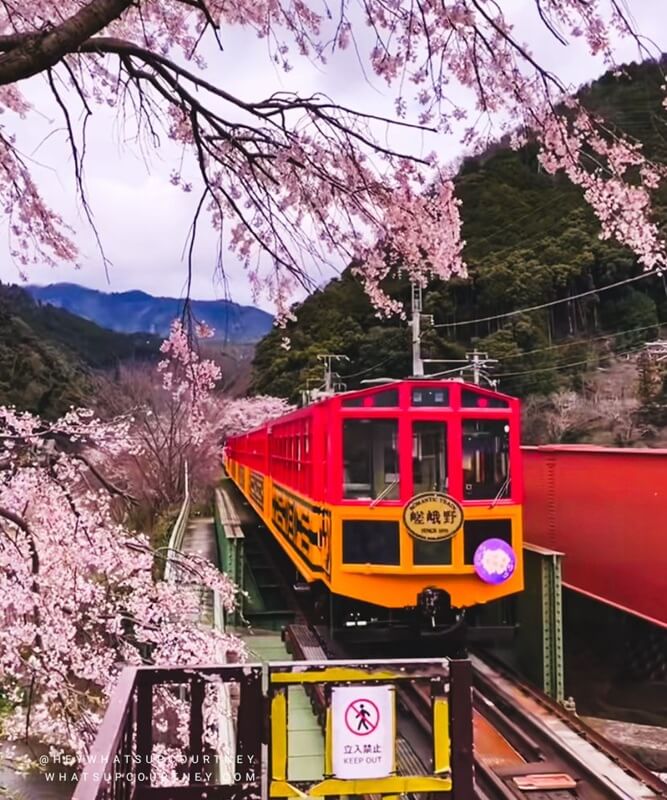
Western Kyoto’s bamboo grove is famous, but fewer tourists realize Arashiyama also has spectacular cherry blossoms. About 1,500 trees bloom throughout the area, particularly around Togetsukyo Bridge and along the Hozu River.
This area is slightly less crowded than central Kyoto for cherry blossoms (though the bamboo grove itself is always packed). The combination of mountains, river, bridge, and cherry trees creates that classic Japanese landscape painting aesthetic.
When to visit: Peak bloom April 3 to 9, 2026
Crowd level: Moderate for blossoms (high for bamboo grove)
Best time: Early morning before tour buses arrive
How to get there: JR Saga-Arashiyama Station or Arashiyama Station (Keifuku Line)
Combine with: Tenryu-ji Temple gardens have wonderful cherry trees framing the temple buildings.
Kiyomizu-dera Temple
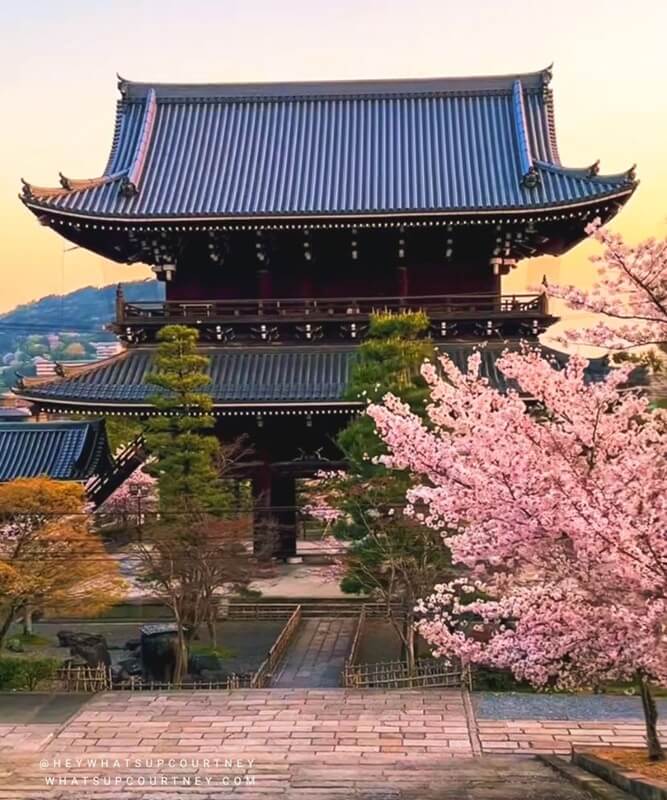
The iconic wooden stage of Kiyomizu-dera surrounded by cherry trees is one of Japan’s most photographed spring scenes. The temple sits on a hillside, with trees cascading down the slope.
This will be crowded. The temple is popular year-round, and adding sakura season makes it intensely busy. But the view from the main stage overlooking Kyoto with cherry trees in the foreground is worth it.
When to visit: Peak bloom April 2 to 7, 2026
Crowd level: Extreme
Best time: Opening time (6 AM) or just before closing
How to get there: Bus to Gojo-zaka or Kiyomizu-michi stops, 10-15 minute uphill walk
Ticketing: Book tickets online in advance to skip the line. The temple offers special evening illuminations during sakura season requiring separate tickets.
3. Osaka: Underrated Cherry Blossom Destination
Most people skip Osaka for cherry blossoms, treating it as just a food and nightlife stop between Tokyo and Kyoto. But Osaka Castle Park alone has over 4,000 cherry trees.
Osaka Castle Park
The contrast of the white castle tower rising above pink cherry blossoms against blue sky is stunning. The castle moat reflects the trees, creating double the visual impact.
The park is massive. Even with crowds, you can find space for picnics. Different sections bloom at slightly different times, extending the viewing period.
When to visit: Peak bloom April 1-7, 2026
Crowd level: High but spread across large area
Best time: Morning for best light on the castle
How to get there: Osakajokoen Station or Morinomiya Station, direct park access
Photo spot: Northwest side of the castle with the moat in the foreground.
Kema Sakuranomiya Park
Four kilometers of cherry trees line the Okawa River. This is where Osaka locals go for hanami. The riverside path is perfect for walking or cycling under the blossoms.
On weekends during peak bloom, the riverside fills with picnic groups. The atmosphere is festive but less touristy than major parks.
When to visit: Peak bloom April 1-7, 2026
Crowd level: Moderate (spread along 4km)
Best time: Afternoon for riverside strolls
How to get there: Sakuranomiya Station, exit directly to park
Activity idea: Rent a bicycle and ride the full length of the cherry blossom path.
4. Mount Yoshino: The Ultimate Sakura Experience
I need to be clear about something: Mount Yoshino has 30,000 cherry trees covering an entire mountainside. When I say “covered,” I mean you look at a mountain and see nothing but pink. No other location in Japan comes close to this scale.
The mountain is divided into four areas (Shimo-senbon, Naka-senbon, Kami-senbon, Oku-senbon) planted at different elevations. As you climb, you see different bloom stages. The staggered planting means the viewing period lasts about two weeks.
Ancient temples and shrines dot the mountain among the trees. The combination of spiritual history and natural beauty makes this feel different from park hanami.
When to visit: Peak bloom April 7-17, 2026 (later than Osaka/Kyoto)
Crowd level: Very high during peak, but spread across a mountain
How to get there: 2 hours from Osaka via Kintetsu Railway to Yoshino Station, then cable car
Lodging: Stay overnight in one of the mountain’s temples or guesthouses for early morning viewing
Plan ahead: This gets crowded during peak bloom. Roads close to car traffic on busy days. Take the train.
I didn’t make it to Yoshino during my first trip. It’s my top priority for next time. Every person I’ve met who went says it’s the single most impressive cherry blossom viewing in Japan.
5. Hokkaido
If you can’t travel until late April or May, Hokkaido becomes your best option. The cherry blossoms here bloom a full month later than Tokyo.
Goryokaku Fort (Hakodate)
This star-shaped fort from the 1860s has about 1,600 cherry trees around its moat. The fort’s unique geometric shape creates an interesting aerial view during peak bloom.
Climb the Goryokaku Tower for the bird’s-eye view. Seeing the star shape outlined in pink cherry blossoms is worth the tower admission.
When to visit: Peak bloom April 29-May 5, 2026
Crowd level: Moderate (Golden Week affects this)
How to get there: Tram to Goryokaku-koen-mae, 15-minute walk
Golden Week warning: Peak bloom in southern Hokkaido often overlaps with Golden Week (April 29-May 5), Japan’s major holiday period. Expect domestic crowds.
Sapporo (Maruyama Park, Hokkaido University)
Sapporo’s cherry blossoms typically peak around May 1-3. Maruyama Park and the ginkgo avenue at Hokkaido University are the most popular viewing spots.
The later season means you’ll encounter fewer international tourists (most have finished their trips by then) but more Japanese domestic travelers during Golden Week.
When to visit: Peak bloom May 1-6, 2026
Crowd level: Moderate to high (Golden Week)
How to get there: Sapporo has excellent subway and bus systems
How to Plan Your 2026 Cherry Blossom Trip (Step-by-Step)
Step 1: Choose Your Dates (Do This Now)
Based on the forecasts above, pick your travel window. For first-timers targeting the classic Tokyo-Kyoto-Osaka route, aim for March 27-April 7, 2026.
Can’t be flexible? Book for April 1-10 and accept wherever the bloom happens to be.
Step 2: Book Accommodation Immediately
Cherry blossom season hotels book out 6-10 months in advance. By February, you’ll be picking through whatever’s left at inflated prices.
Tokyo best areas:
- Shinjuku: Central, connected, near parks
- Shibuya: Trendy, younger atmosphere
- Asakusa: More traditional, near Sumida River
Kyoto best areas:
- Near Kyoto Station: Convenient for trains
- Gion: Expensive but atmospheric
- Higashiyama: Walking distance to temples
Osaka best areas:
- Namba: Central, great food scene
- Umeda: Business district, shopping
- Near Osaka Castle: If blossoms are priority
Budget options:
- Capsule hotels: ¥3,000-5,000/night
- Business hotels: ¥8,000-12,000/night
- Ryokan (traditional inns): ¥15,000-40,000/night with meals
Realistic costs during sakura season:
- Budget: ¥4,000-7,000/night
- Mid-range: ¥15,000-25,000/night
- Upper mid-range: ¥25,000-40,000/night
- Luxury: ¥40,000+/night
Step 3: Get Your JR Pass (If Doing Multi-City)
The 7-day Japan Rail Pass costs ¥50,000 (roughly $340 USD). It covers:
- Shinkansen bullet trains (except Nozomi trains)
- JR local trains in cities
- Some JR buses
When it’s worth it:
- Tokyo to Kyoto round trip alone costs about ¥28,000
- Add a trip to Osaka, Hiroshima, or elsewhere and it pays for itself
When to skip it:
- Staying in one city only
- Doing only one round trip
- You have time for slower, cheaper trains
Order the pass online before traveling. You’ll receive an exchange voucher to convert to the actual pass once you arrive in Japan.
Step 4: Create a Flexible Itinerary
Don’t over-schedule specific cherry blossom spots to specific days. The forecast will shift.
Good planning:
“I’ll be in Tokyo March 28-April 1, Kyoto April 2-5, Osaka April 6-7”
Too rigid:
“Meguro River March 29, Ueno Park March 30, Shinjuku Gyoen March 31”
Leave room to adjust based on actual bloom status when you arrive. Join Facebook groups or check real-time blossom reports online.
Step 5: Follow Forecast Updates
Starting mid-February 2026, the Japan Meteorological Corporation updates their forecast weekly (usually Thursdays).
Resources to bookmark:
- Japan Meteorological Corporation (official)
- japan-guide.com (English, user reports)
- X/Twitter: Search #sakura2026 and #桜2026
- Facebook groups: “Japan Travel” and “Cherry Blossom Japan”
Real-time reports from other travelers are often more accurate than official forecasts as bloom week approaches.
Step 6: Pack Appropriately
Early April in Japan is typically 10-18°C (50-65°F). Mornings are cool, afternoons warm up.
What to pack:
- Layers (light jacket, long sleeves, t-shirts)
- Comfortable walking shoes (you’ll walk 15,000-20,000 steps/day)
- Rain jacket or umbrella (spring showers happen)
- Picnic blanket if you want to do hanami
- Portable battery for phone (you’ll take hundreds of photos)
Step 7: Manage Your Expectations
You’re visiting during Japan’s busiest tourism period. Popular spots will be crowded. Hotels cost more. Trains fill up. This is reality.
But here’s what also happens: The energy is incredible. Seeing Tokyo or Kyoto completely transformed by pink blossoms creates moments you’ll remember forever. Japanese families and friends gathering for hanami parties, the festivals, the special sakura-flavored everything in convenience stores, the collective celebration of spring—it’s all part of the experience.
I met more friendly locals during sakura season than any other Japan trip. Everyone’s in a good mood, people offer to take photos for you, strangers smile more.
Insider Tips for Cherry Blossom Season (Things I Wish I’d Known)
Tip 1: Early morning is everything
The single best way to avoid crowds? Wake up early.
Meguro River at 7 AM: Peaceful, soft morning light, maybe 20 other people Meguro River at 6 PM: Thousands of people, festival atmosphere, packed
Both experiences are valuable. But if crowds stress you out, set your alarm.
Tip 2: Weekdays over weekends
If you have any flexibility, visit major parks and viewing spots Monday-Thursday. Japanese domestic travelers mostly visit on weekends, creating massive crowd surges.
My best Ueno Park experience was a Tuesday morning at 8 AM. My worst was Saturday afternoon.
Tip 3: Not every spot needs to be Peak Bloom
I stressed so much about hitting exact peak bloom everywhere. Looking back at my photos, trees at 40-60% bloom also looked beautiful. Trees losing petals (the “flower blizzard” stage) created some of my favorite shots.
Don’t let peak bloom anxiety ruin your trip. The blossoms are beautiful throughout their cycle.
Tip 4: Convenience store Hanami works
You don’t need an elaborate picnic setup. Hit any 7-Eleven or FamilyMart:
- Onigiri (rice balls): ¥100-150 each
- Bento box: ¥500-800
- Chu-hi (canned cocktails): ¥150-250
- Sakura-flavored treats (seasonal): ¥200-400
Grab a blanket from a 100-yen store. You’re set for hanami.
Tip 5: Download forecast apps
These helped me track real-time bloom status:
- Weathernews Sakura Ch. (Japanese but has English option)
- Japan National Tourism Organization app
- Tenki.jp (weather + sakura forecasts)
Tip 6: Join Real Time reporting communities
Facebook groups and X/Twitter hashtags showing actual photos from that day are more reliable than forecasts once peak week approaches.
Someone posts a photo from Meguro River this morning showing full bloom? That’s better info than any forecast.
Tip 7: Higher elevations bloom later
If you’re too late for Tokyo, head to:
- Takayama (peaks about a week after Tokyo)
- Kawaguchiko (Mt. Fuji area, similar timing)
- Kanazawa (peaks early April)
Tip 8: Night illuminations change everything
Yozakura (night sakura) viewing feels completely different from daytime. Many major spots illuminate the cherry trees after dark.
The blossoms glow pink and white against the dark sky. The atmosphere becomes quieter, more romantic. I recommend experiencing both day and night viewing at least once.
Tip 9: Expect price surges everywhere
Hotels aren’t the only thing that costs more:
Transportation: Shinkansen trains sell out for peak weekends (reserve seats in advance with your JR Pass)
Tours: Mt. Fuji tours, traditional tea ceremonies, anything tourist-focused raises prices
Restaurants: Some increase prices or require reservations during peak season
Activities: Boat rides, cable cars, special viewing platforms all see price increases
Budget an extra 20-30% above what guides suggest for normal season travel.
Tip 10: Have backup plans
Weather happens. Strong wind or rain can end peak bloom abruptly. Have backup indoor activities:
- Museums (Tokyo National Museum, Kyoto Railway Museum)
- Department store food halls
- Covered shopping streets (Nishiki Market in Kyoto)
- Temples and shrines (still beautiful without perfect weather)
I got rained out one day in Kyoto. Spent the afternoon in Nishiki Market trying every food stall, then hit an onsen. Not the cherry blossom day I planned, but still great.
Common Questions about Japan Cherry Blossoms
1. Can I see cherry blossoms and Mt. Fuji together?
Yes, and it’s spectacular. The best spots are:
Lake Kawaguchiko: North shore has cherry trees with Fuji views. Peak bloom typically April 10-15 (about a week after Tokyo).
Arakurayama Sengen Park: The famous Chureito Pagoda photo with Fuji and cherry blossoms. Peak bloom April 10 to 15.
Shiraito Falls area: Less crowded option near Mt. Fuji’s base.
From Tokyo, take a bus or train to Kawaguchiko Station (about 2 hours). Several buses per day make this a feasible day trip, though staying overnight gives you better light for photography.
2. How long do cherry blossoms stay in bloom?
Individual trees bloom for 7 to 10 days. A location’s overall bloom period usually lasts 2 weeks because different trees bloom at slightly different times.
Peak viewing (when 80%+ of flowers are open) typically lasts 4 to 7 days if weather cooperates. Strong wind or heavy rain can shorten this significantly.
3. Is it worth visiting if I miss peak bloom?
Yes. Early bloom (20-50% open) still looks beautiful. Late bloom with falling petals creates the “flower blizzard” effect that many Japanese people actually prefer.
Different varieties also bloom at different times. Visit a park with multiple varieties (like Shinjuku Gyoen) and you’ll see something throughout a 3-week period.
4. Are cherry blossom festivals free?
Most cherry blossom viewing is completely free. Parks, rivers, streets lined with trees cost nothing.
Some temple gardens charge ¥300-600 entry. Special night illuminations are usually free but sometimes require tickets for popular spots.
Food stalls at festivals charge normal prices (¥500-1000 per item). Boat rides under cherry trees cost ¥1,000-2,000.
5. What should I wear to hanami?
Casual comfortable clothing. You’ll be walking a lot and possibly sitting on the ground for picnics.
Temperature: Early April averages 10-18°C (50-65°F) Layers: Light jacket, long sleeves, comfortable pants Shoes: Sneakers or comfortable walking shoes Consider: Light rain jacket (spring showers are common)
Some people wear kimono for hanami photos, but most visitors and locals dress casually.
6. Can I take cherry blossom petals home?
Please don’t. In Japanese culture, the fleeting nature of cherry blossoms is part of their beauty. Taking petals or breaking branches is considered disrespectful.
Take photos instead. That’s what everyone does, and it’s completely encouraged.
7. Where can I avoid crowds during cherry blossom season?
Early morning strategy: Most major spots before 9 AM Geographic strategy: Northern Japan (Tohoku, Hokkaido) in late April Alternative locations: Lesser-known parks and neighborhoods Weekday visits: Monday-Thursday at popular spots
Some specific less-crowded recommendations:
- Sumida Park (overshadowed by Ueno and Meguro River)
- Rikugien Garden (charges entry, keeps crowds down)
- Outer areas of large parks (most people cluster near entrances)
- Neighborhood streets with cherry trees (residential areas)
8. What’s the difference between hanami and just viewing cherry blossoms?
Hanami (花見) literally means “flower viewing” but culturally refers to the practice of having picnics under cherry trees with friends, family, or coworkers.
Traditional hanami involves:
- Spreading blankets or tarps under the trees
- Bringing food and drinks (often including alcohol)
- Spending hours socializing and appreciating the blossoms
- Sometimes singing, playing games, or just relaxing
You can absolutely just walk through parks and admire cherry blossoms without doing full hanami. Both are totally acceptable.
9. Do I need to book tickets for anything?
Most cherry blossom viewing requires no tickets or reservations.
What to book ahead:
- Hotels (6+ months in advance)
- Shinkansen reserved seats (especially peak weekends)
- Special night illuminations at some temples
- Boat rides under cherry trees (can book day-of, but advance is better)
- Any tours or special events
What’s free/walk-up:
- All parks and public spaces
- Most temple/shrine grounds (inner buildings may charge)
- Street viewing
- River walks
10. How much does a cherry blossom trip cost?
For a 10-day trip (March 28-April 10, 2026):
Budget traveler:
- Hostels/capsule hotels: ¥60,000 ($400)
- JR Pass: ¥50,000 ($340)
- Food (¥3,000/day): ¥30,000 ($200)
- Activities: ¥10,000 ($70)
- Total: ~¥150,000 ($1,000) + flights
Mid-range traveler:
- Hotels: ¥200,000 ($1,350)
- JR Pass: ¥50,000 ($340)
- Food (¥7,000/day): ¥70,000 ($475)
- Activities: ¥30,000 ($200)
- Total: ~¥350,000 ($2,400) + flights
These are rough estimates. Tokyo and Kyoto cost more than regional cities. Sakura season adds 40-60% to accommodation costs.
11. Can I visit cherry blossoms with kids?
Absolutely. Cherry blossom viewing is very family-friendly. Japanese families with small children do hanami all the time.
Kid-friendly spots:
- Large parks with playgrounds (Ueno Park, Osaka Castle Park)
- Picnic-friendly areas where kids can run around
- Daytime viewing (skip crowded evening illuminations)
Tips for families:
- Bring snacks and entertainment for waits
- Visit weekday mornings for thinner crowds
- Shorter viewing sessions (kids tire of looking at trees quickly)
- Combine with playgrounds or other activities
12. What if it rains during my trip?
Spring rain is common in Japan. Don’t let it ruin your plans.
Light rain: Cherry blossoms look beautiful in the rain. Bring an umbrella and go anyway. Crowds thin out significantly.
Heavy rain: This can knock petals off, potentially ending peak bloom early. Have indoor backup plans ready.
After rain: Some of my favorite photos came the day after rain. Water droplets on petals, clearer air, fewer crowds.
13. Should I go to Tokyo or Kyoto for cherry blossoms?
Both. If you can only choose one:
Choose Tokyo if:
- You want modern urban hanami
- You have limited time (more cherry spots close together)
- You prefer convenience and efficiency
- You want variety (traditional and modern)
Choose Kyoto if:
- You prefer historical/traditional settings
- You want temples and shrines with cherry blossoms
- You value atmosphere over convenience
- Photography is your priority
Do both if possible. They offer completely different experiences. If forced to choose, first-timers might prefer Kyoto for the classic aesthetic.
14. Are there sakura flavored foods during the season?
Yes, and Japan goes all-in on seasonal sakura products.
Common sakura-flavored items:
- Sakura mochi (pink rice cakes wrapped in pickled cherry leaves)
- Sakura lattes at Starbucks and cafes
- Sakura Kit-Kats (look for them at convenience stores)
- Sakura beer and sake
- Sakura-flavored desserts at department stores
- Sakura bento boxes
The flavor is subtle, slightly floral and sweet. The pickled cherry leaf adds a unique taste to traditional sweets. Please try at least once if you are not allergic of course.
Final Thoughts: Should You Visit Japan for Cherry Blossoms in 2026?
If you’re reading this far, you already know the answer.
Yes, it’s expensive. Yes, it’s crowded. Yes, timing it perfectly requires some luck and flexibility. These things are all true.
But here’s what’s also true, you will see moments of beauty that photographs can’t capture. You’ll experience a cultural tradition that goes back centuries. You’ll understand why Japanese poets have written about these flowers for over a thousand years.
The cherry blossoms bloom for about ten days each year. That fleeting nature is exactly what makes them special. The Japanese have a concept called “mono no aware” (物の哀れ), which roughly translates to an awareness of impermanence, a gentle sadness about the transient nature of beauty.
Cherry blossoms embody this perfectly. They’re beautiful because they don’t last.
So book your hotels now. Get your JR Pass. Follow the forecasts starting in February. Pack your walking shoes and prepare for crowds.
And then stand under a cherry tree in full bloom, watch the petals fall around you like snow, and let yourself feel that awareness of beautiful, temporary things.
That’s worth any amount of planning stress.
Quick Reference: 2026 Cherry Blossom Planning Checklist
6-8 Months Before (Now – January 2026):
- Choose your travel dates
- Book flights
- Book all accommodation (do not wait on this)
- Order JR Pass if doing multi-city travel
2-3 Months Before (January – February 2026):
- Start following forecast updates (releases begin mid-January)
- Create rough itinerary with flexibility
- Book any special experiences (geisha dinner, tea ceremony)
- Research specific cherry blossom spots in your cities
1 Month Before (March 2026):
- Finalize itinerary based on updated forecasts
- Reserve shinkansen seats (especially for peak weekends)
- Download forecast apps and join Facebook groups
- Check night illumination schedules at major spots
- Book any remaining tours or activities
1-2 Weeks Before:
- Monitor real-time bloom reports
- Adjust daily plans based on actual bloom status
- Confirm all reservations
- Pack layers and comfortable shoes
During Your Trip:
- Check daily bloom status and adjust plans
- Visit popular spots early morning or late evening
- Try at least one hanami picnic
- Experience both day and night cherry blossom viewing
- Take too many photos (you won’t regret it)
Have you been to Japan during cherry blossom season? What was your experience? Let me know in the comments!
Courtney xx
Explore my other Tokyo, Kyoto and Japan Travel Guides on WhatsupCourtney below:
Planning your Japan trip? Start here:
4 Days in Kyoto: The Perfect Itinerary You’ll Want to Copy
How to Spend 1 Day in Kyoto Without Feeling Rushed (2026)
The Best Sightseeing Things to Do in Kyoto Japan (what’s worth going and 3 places to skip)
• Is Arashiyama Bamboo Forest a tourist trap?: my honest take
• Is Arashiyama Monkey Park worth visiting?
Fushimi Inari Taisha, is it worth it? A mini Guide
Japan Travel Tips:
My Japan Travel Guide 2026: First Timer’s Itinerary and Everything You Need to Know
• Japan travel tips for first-timers: The Japan Travel tips I have learnt on my trip
Japan Day trip guides:
• Nara day trip from Kyoto or Osaka: deer, temples, and the best pounded mochi
Where to Stay in Hakone (2026): Best Areas, Ryokans & Hotels (What I’d Book Again)
Hakone Japan: 10 Must-Do Experiences & Things to do in Hakone
The 10 Best Things to Do in Odawara Japan (Why you should visit + Day Trip Itinerary)
Japan Hotel Reviews:
Candeo Hotels Roppongi Review: Is This Tokyo’s Best Value Luxury Stay?
Candeo Hotels Shimbashi Review: The Tokyo Hotel That Surprised Me
Candeo Hotels Osaka Namba with Japanese Breakfast & Sky Spa 2025 Review
Tokyo Travel Guides:
Roppongi Tokyo: 10 Things to Do, See & Love in the City That Never Sleeps
WhatsupCourtney
Owner / Traveller / Content Creator
Hey! I’m Courtney, traveller and content creator behind the travel and food blog WhatsupCourtney. I’ve spent over 10 years exploring travel destinations across Asia, Europe and beyond with a particular focus on cultural experiences, adventures and their food. Instead of the traditional curated Instagram style blogging, I am trying instead, to show you the realistic, raw, and exotic side of travel and a whole lots of food that goes with it. Because I believe food is part of the country culture and needs to be tried and shown proudly.
I have recently traveled around Shanghai China, day trips to Dubai and Paris, explored the Golden Route in Japan, and as you know I was born and raised in Jakarta Indonesia so will be providing lots of Indonesian travel tips and Newcastle Upon Tyne UK travel guides as a local.
Leave a Reply