
I spent 2 days and 1 night in Hakone. It’s one of the simplest places to experience a ryokan with an onsen and see Mount Fuji.
Hakone was where I had one of those “this is why I came to Japan” moments, a bucketlist experience.
Sitting in a private onsen, steam rising into the cold mountain air, a traditional kaiseki for dinner, it was truly a dream come true.
Hakone takes around 90 minutes to get to Hakone from Tokyo, you could take a day trip here but to fully experience it, you’ll want to spend at least a night or couple of nights here especially in an accommodation with an onsen.
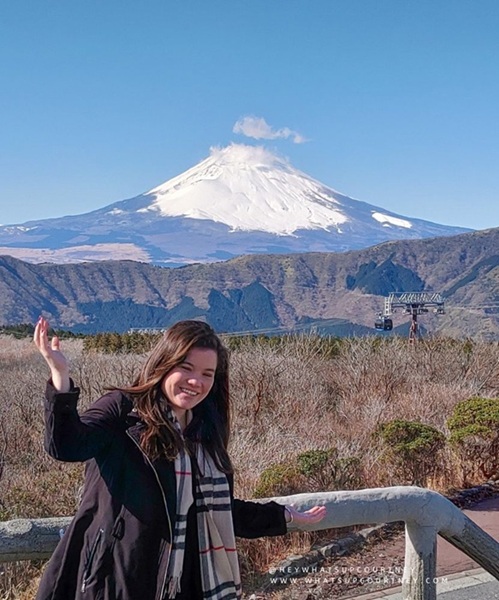
This town is famous for their onsens, hot springs, views of Mount Fuji (on a clear day) and some accommodations you can stay in with a view of Mount Fuji.
Having stayed in Hakone myself in an accommodation with a private onsen, I’ve put together this guide with the best places to stay in Hakone, including options for private onsen, people with tattoos, kaiseki dinner and more.
Table of Contents
Quick Picks: Where I’d Stay in Hakone (If I booked again)
Here’s a quick overview of the best places to stay in Hakone, there’s more below when you read on:
- Best luxury ryokan experience: Gora Kadan
This is where I stay at least once. - Luxury Ryokan hotel, and it’s so beautiful. Japanese style rooms and Kaiseki available. Hot spring bath, and massage treatment available.
- Best for Mount Fuji Views: Hakone Green Plaza Hotel
Private open-air onsen with Mount Fuji views. On the Hakone Loop. Dinner and breakfast included - Unique “apartment cottage” stay in the nature: A-frame箱根強羅
4-star apartment with an onsen style bath, sun terrace, garden, open-air bath, and free WiFi, close to Gora Park - Budget-friendly option: Irori Guest House Tenmaku
Affordable + rare onsen access for the price with traditional style private rooms available and shared domitories. - Best for Tattoo friendly: Gora Kansuiro
Kaiseki dinner included and they have rooms with private bath. Tattoo-friendly in all public baths. Japanese style rooms (some with private bath)
Most hotels and ryokans in Hakone don’t open up bookings until about 3 to 6 months before the date. If you can’t find any hotels with availability, you may be too early or sold out.
Before You Book (This Will Save You Time & Stress)
- Most of Hakone stays open so it’s good to start bookings 3–6 months in advance especially for Gora Kadan or Hakone Ginyu.
- The best ryokans sell out fast (especially cherry blossom + autumn)
- Dinner known as Kaiseki is often included in most of the known ryokans and it’s worth the experience at least once
Getting Around Hakone and with Luggage
I did not figure this out until I was actually in Hakone, which cost me some planning time on day one.
Hakone is one of those places that’s beautiful, but not easy to get around on foot. Unless you’re staying in Yumoto or Gora, which are easier to reach by bus or the Tozan railway, it’s worth thinking ahead about what you’ll do with your luggage.
Most first-time visitors follow the Hakone Round Course:
Hakone-Yumoto → Gora → cable car → ropeway → Lake Ashi → bus back
The Hakone Free Pass covers all of this. It is a two or three-day unlimited transport pass that includes the Odakyu train return from Shinjuku in Tokyo, all the mountain trains, cable car, ropeway, lake cruise, and buses within the area. It costs around ¥6,100 for two days and personally after calculating the costs, it’s worth it especially if you are going around Hakone.
If you’re planning to do the Hakone Round Course, it’s worth sorting the Hakone pass in advance to avoid wasting time on the day. Buy the Hakone Free Pass on Klook here
Most hotels won’t let you check in until mid-afternoon, although many will hold your bags earlier in the day. The downside is that you may still need to go to the hotel first before heading out to explore, which can eat into your time. And trying to drag big suitcases onto Hakone’s local buses is not ideal.
If you’re travelling by public transport, luggage transfer is probably your best option. Just keep in mind that most transfers take at least a day, so it works best if you’re planning ahead.
In some cases, it makes sense to take a small overnight bag to Hakone and send your main suitcase straight to your next hotel in your main next destination. I didn’t do this, I took a gamble which fortunately paid off as I went to the hotel, and the hotel allowed us in the room as they were quiet at the time.
If you’re driving, things are a bit easier. Having a rental car makes it much simpler to reach most places in Hakone with luggage, but it’s still a good idea to check parking availability and whether your hotel charges extra for it.
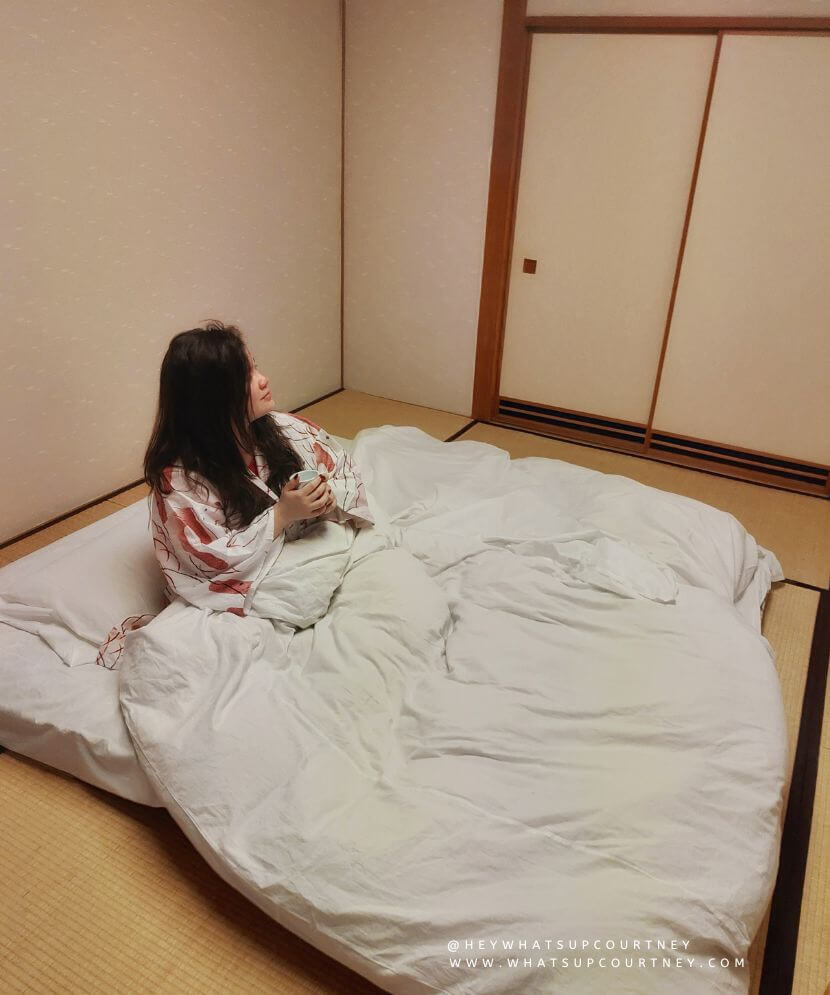
Hakone-Yumoto, personally best for first-timers
If it’s your first time in Hakone and you want easy transport and variety, I would stay here in Hakone Yumoto.
This is the gateway town, right where the Odakyu line arrives from Tokyo. It has a proper high street with shops, restaurants, onsen cafes, and souvenir places selling the local yosegi marquetry woodwork.
The Haya River runs through the middle of it and there are foot onsen baths you can sit at along the riverbank which you can do.
I did not expect it to be this charming. I thought it would be more of a transport hub and less of a place in itself.
Oh and if you are still planning your wider Japan trip, my Japan travel guide for first-timers and my two-day Hakone itinerary will help you with your planning.
It turns out the variety of accommodation here is broader than anywhere else in Hakone. Budget hostels, mid-range hotels, and traditional ryokans with communal onsen all sit within walking distance of the station.
The one thing I would say is that Yumoto is the busiest part of Hakone. Oh and don’t forget that restaurants and shops close early in the evening, sometimes by 5pm or 6pm, so if you are staying a couple of nights, a ryokan with dinner included is not a bad idea.
Where to Stay in Hakone-Yumoto
K’s House Hakone (Budget / Hostel)
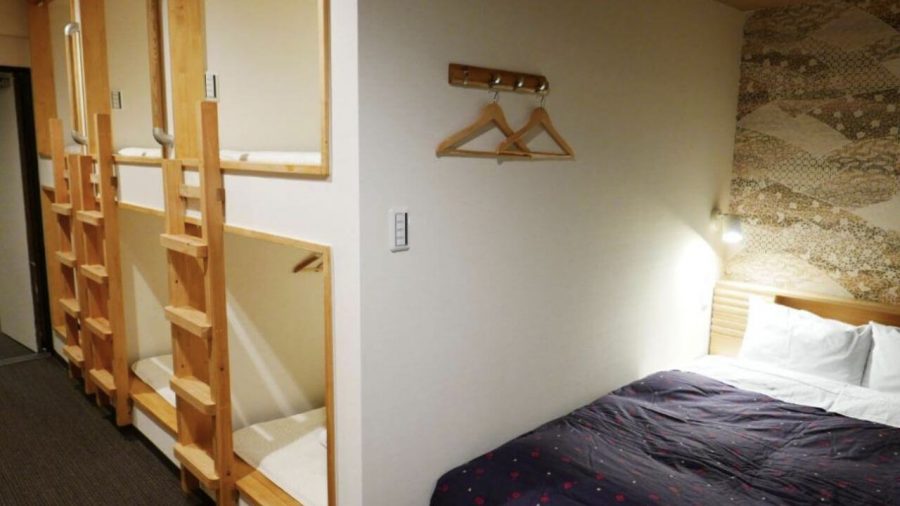
This is the one I would have booked if I was travelling solo or on a tight budget. It is a well-run hostel right near Hakone-Yumoto station with a social atmosphere, clean tatami-style rooms, and free access to a private onsen. For a hostel, that is an extraordinary perk.
It is not glamorous and it is not trying to be. But getting free onsen access at a budget price point in Hakone is the kind of thing that makes a trip feel like a win.
➤ Check availability at K’s House Hakone
Hotel Okada (Mid-Range / Traditional Japanese)
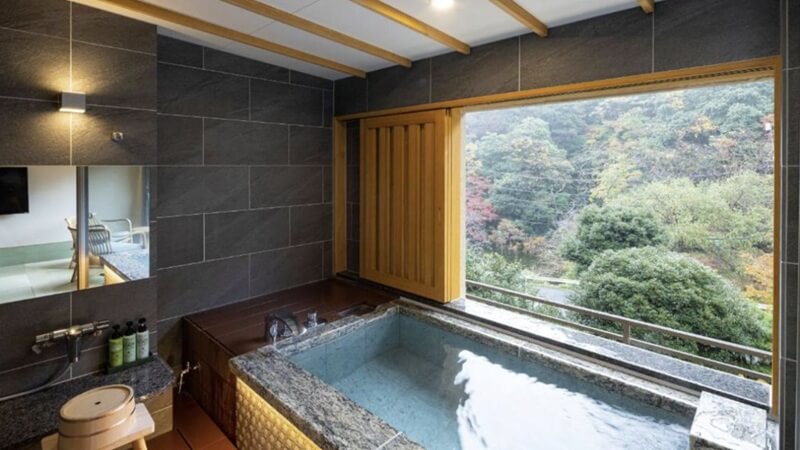
Hotel Okada has been running for a long time and earns its reputation through consistency.
They have both Japanese tatami and Western-style rooms are available, some with private onsen, others with views of the Haya River. The public onsen facilities are good. It is a short walk from Hakone-Yumoto Station, which matters when you are moving around the region.
It is not the most atmospheric ryokan you can find in Hakone, but the value for mid-range budget is solid and the location makes logistics easy.
➤Check availability at Hotel Okada
Hakone Suimeisou (Mid-Range to Upper / River Views, Private Onsen)
A recently renovated ryokan along the Haya River. Most rooms are Japanese-style tatami. The private onsen rooms are good value compared to what the same experience costs in Gora. The terrace overlooking the river is one of those quiet moments you remember. Traditional kaiseki meals are available on site.
I would stay here on a return trip when I wanted the Yumoto convenience but with more atmosphere than a regular hotel.
➤ Check availability at Hakone Suimeisou
Gora, Best for Onsen Ryokans, Mountain Atmosphere
If you’re coming to Hakone specifically for the onsen experience, Gora is your best bet and where I’d stay again.
Gora is higher up the mountain than Yumoto, accessed by the slow, scenic Hakone Tozan Railway which switchbacks its way up the hillside.
If a private outdoor hot spring bath on your own terrace while looking at the forest is what you came for, Gora is where that actually happens at a reasonable price.
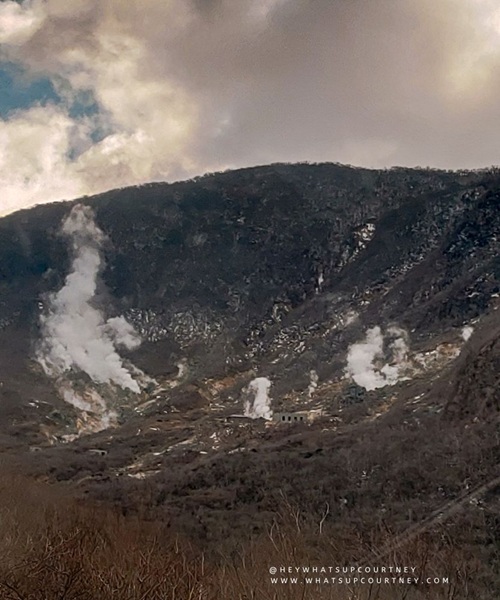
I did not realise until I looked into it that Gora is also the most practical base if you want to do the Round Course efficiently. The Tozan Cable Car departs from Gora station up to Sounzan, from where the ropeway continues to Owakudani and down to Togendai on Lake Ashi. Starting your Round Course day from Gora rather than Yumoto saves about 40 minutes of travel.
Where to Stay in Gora
1. Gora Kadan
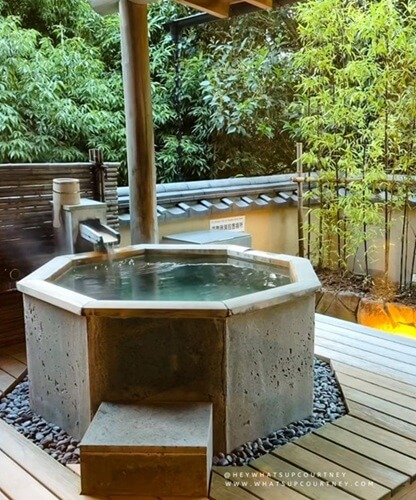
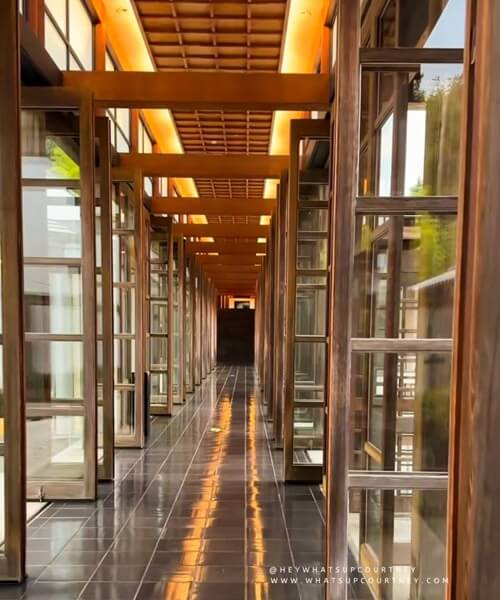
This is definitely one of the Ryokan I would pay for, they were sold out on the dates I wanted, but seriously Gora Kadan is the one everyone mentions when they talk about bucket-list Hakone stays.
It was formerly a holiday retreat for the imperial family, which tells you something about the setting. The gardens are exquisite, every room has access to private onsen facilities, and the kaiseki cuisine is exceptional.
It is expensive, can’t lie about this. It’s about ¥80,000 or more per night for two including a stunning kaiseki dinner. You are definitely booking an experience that feels distinctly Japanese and unrepeatable.
➤ Check availability at Gora Kadan
2. A-frame Gora
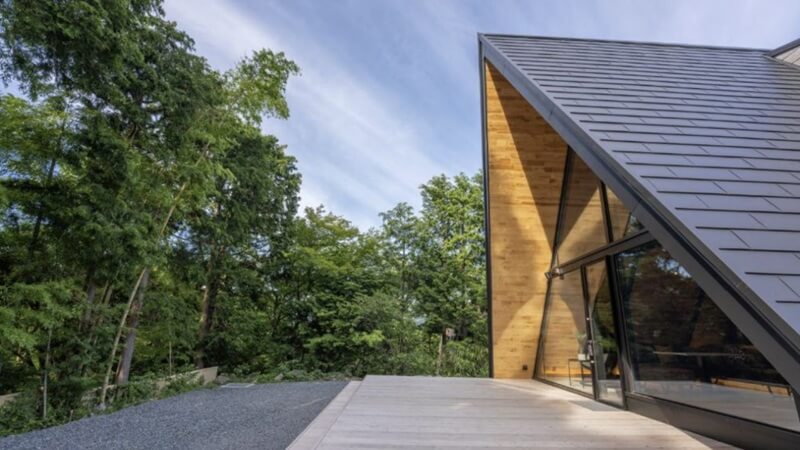
This one surprised me when I came across it online. I didn’t know it was a legit thing and they have these in the US and Canada.
Ok so not a ryokan but you can rent an A-frame cabin-style apartment in the Gora Onsen district, with its own open-air onsen bath, a sun terrace, a full kitchen, and a garden and it’s two minutes on foot from Naka-Gora Station.
It is one of only a handful of A-frame properties in the Kanto region. It’s like an airbnb, where you treat it like your own place so if you fancy this vibe, this looks really cool to stay in. Especially with a forest on your doorstep.
➤ Check availability at A-frame Gora
3. Hotel Indigo Hakone Gora by IHG
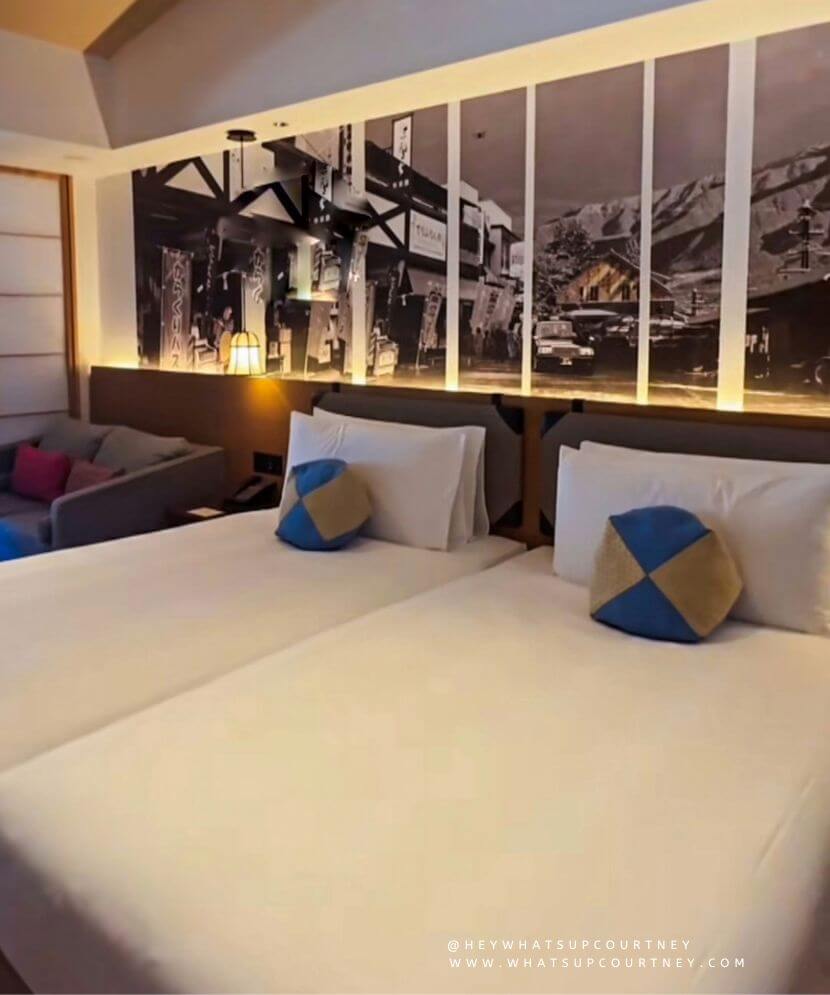
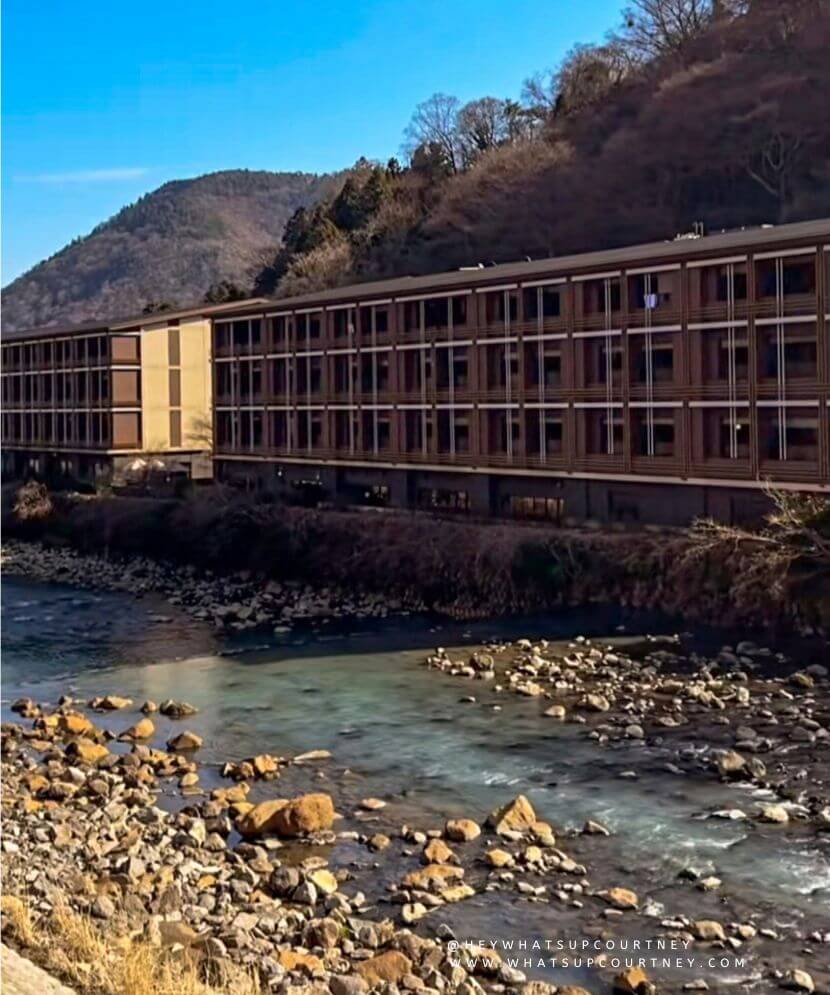
This hotel looks stunning, modern, has that luxury feel to it and although it’s not a ryokan but you still get the private open-air onsen on your balcony and the cedar forest setting.
Their communal spa is coed and tattoo-friendly, which is quite rare in Gora. Everything about this place feels considered, the kind of hotel where the staff are so good it actually catches you off guard. One thing worth doing when you book, request a river-facing room. Some balconies look out onto the road, and that is not what you are paying for.
➤ Check availability at Hotel Indigo Hakone Gora
Motohakone and Lake Ashi: Best for Views, Quiet scenic vibes
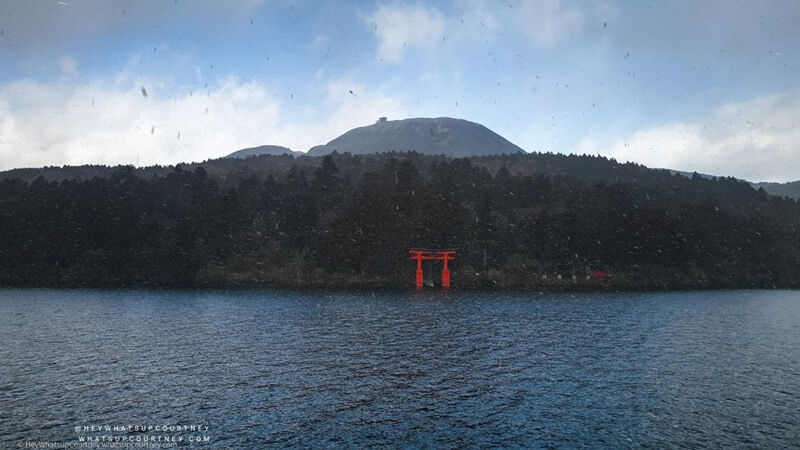
Moto-Hakone is the small lakeside village that produces the photograph everyone has seen, the famous torii gate rising out of Lake Ashi with Mount Fuji behind it on a clear morning.
I did not stay in Moto-Hakone and I still think about whether I should have done a night there. The trade-off is isolation. There is no train station. You arrive by boat from Togendai or by bus, and dining options in the village itself are limited in the evenings. A ryokan with half-board (breakfast and dinner included) is needed or if you buy some food in town and take it back.
Where to Stay Around Lake Ashi
1. Ryuguden Ryokan (Lakeside, Panoramic Onsen, Mount Fuji)
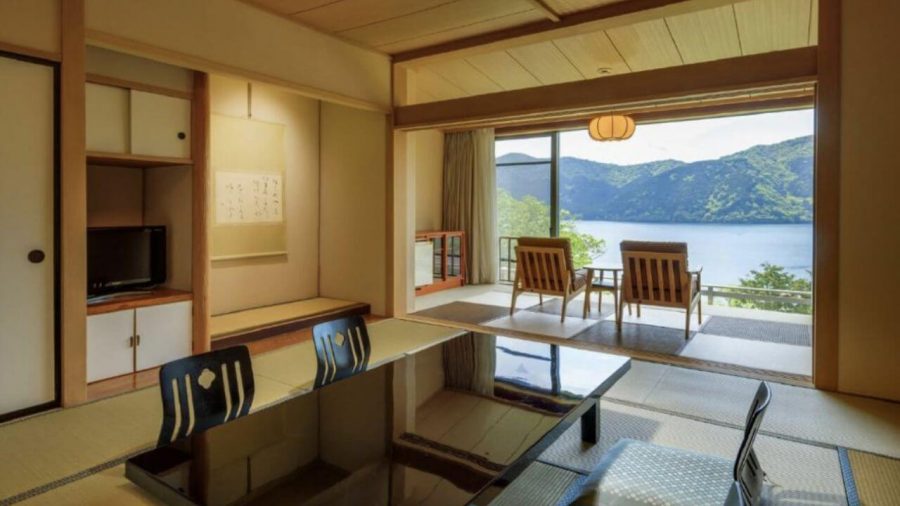
When I come back to Hakone, I would love to be able to stay here, to be able to see Mount Fuji from your onsen is a dream.
Ryuguden is above Lake Ashi and you get amazing views of the water and Mount Fuji on clear days.
They have traditional tatami rooms, a beautifully plated kaiseki dinner service, and a panoramic onsen that looks out over the lake.
It is not the most practical base for doing the Round Course since you are at one end of the lake, but if the plan is to slow down and be somewhere beautiful for a night, Ryuguden delivers that.
➤ Check availability at Ryuguden
2. Hakone Ashinoko Hanaori (Luxury / Lake Views, Onsen, Sauna)
A stunning modern property with private onsen facilities and a sauna, right on the lake. The lake views from the rooms are exceptional and the overall design is considered in a way that the older grand properties sometimes are not. A strong option for couples who want the lake but also want a more contemporary feel.
Check availability at Hakone Ashinoko Hanaori
Miyanoshita: Best for a Traditional Experience without the Yumoto Crowds
Miyanoshita is situated between Hakone-Yumoto and Gora on the Tozan Railway line. This place has a more local village feel. I think of it as the slightly overlooked middle option that actually suits a certain type of traveller very well.
If you want a traditional small-town atmosphere without the bustle of Yumoto, and you are not specifically after the luxury onsen ryokan scene of Gora, Miyanoshita is worth considering.
Where to Stay in Miyanoshita
Fujiya Hotel (Historic / Mid to Upper Range)
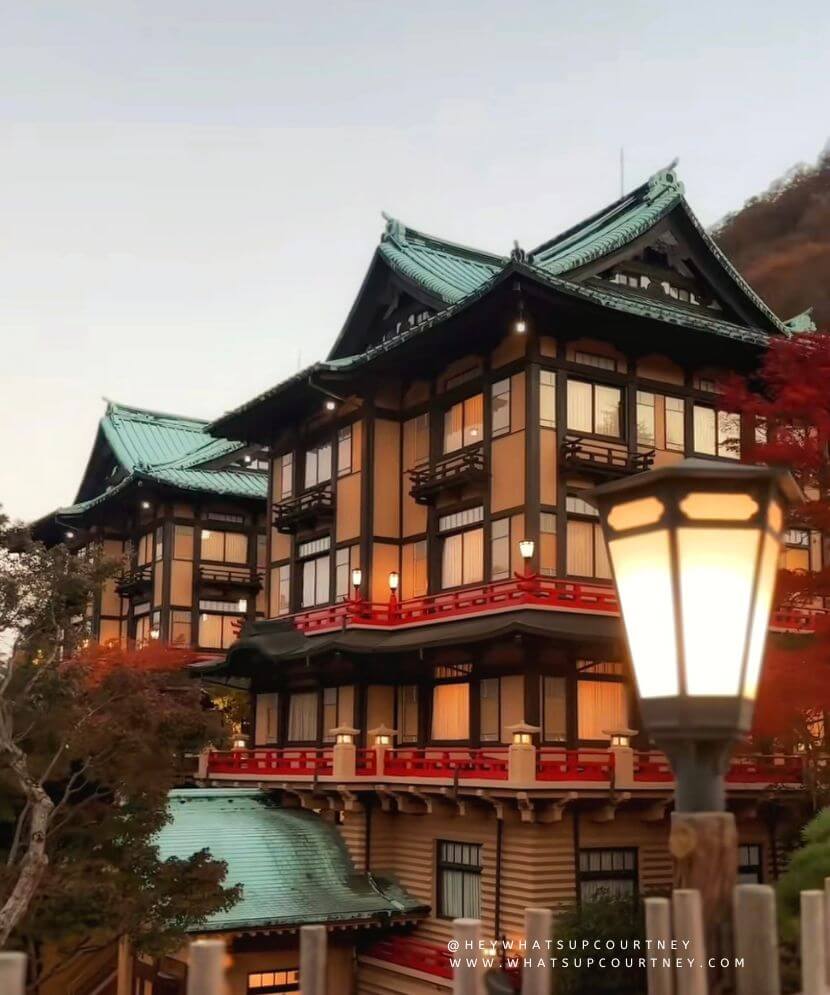
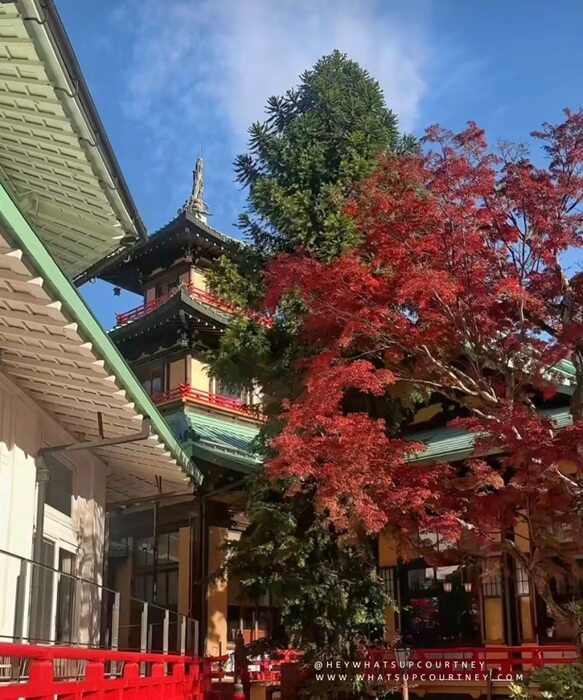
The way I probably describe Fujiya Hotel is like stepping into a Studio Ghibli anime. The Fujiya Hotel is fascinating.
The hotel was built in 1878, it has survived earthquakes, wars, and a century and a half of possibly the Japanese local tourism, and deservedly so. The building has like a western Victorian exterior with Japanese interior details, and you know you are staying in a historic location.
The garden outside is aboslutely stunning, and you can explore for hours, with an indoor pool, hotsprings, French and Japanese restaurant.
Also Albert Einstein, Charlie Chaplin, and John Lennon have stayed here before, imagine that!
➤ Check availability at Fujiya Hotel
Sengokuhara: Best for Families and Secluded Nature Retreats
Sengokuhara is in the northern part of Hakone and is the most removed from the main transport loop. It takes a bus to get there from Gora or Yumoto. It is more spread out, quieter, and surrounded by nature. The pampas grass fields here in autumn are one of those lesser-known Hakone highlights that people who have done more than one visit mention.
I would not send someone here on their first trip unless they specifically want to be away from everything. But for families, for couples doing a second visit, or for anyone who wants to be in the countryside rather than in a hot spring town, Sengokuhara makes sense.
1. Hoshino Resorts KAI Sengokuhara (Luxury / Family-Friendly, Private Onsen)
Part of the Hoshino Resorts group, which runs some of Japan’s most thoughtfully designed luxury properties. KAI Sengokuhara has a contemporary aesthetic with Japanese traditional touches, every room with a private outdoor onsen, and a restaurant serving kaiseki from locally sourced Hakone wagyu and seafood. There are evening art workshops, which makes it a good family option at the luxury end.
It is expensive. But Hoshino Resorts consistently delivers on quality and the location, deeper in the national park away from other tourists, is peaceful.
➤ Check availability at Hoshino Resorts KAI Sengokuhara
2. Hotel Green Plaza Hakone
The outdoor onsen faces Mount Fuji directly. That is the reason this hotel exists and it delivers when the mountain is showing, guests describe soaking in the open-air bath and just staring at it until they lose track of time.
Dinner and breakfast come as a buffet rather than kaiseki (worth knowing before you arrive expecting a 10-course meal). Traditional Japanese tatami rooms, free shuttle to Ubako Ropeway Station, and a location that puts you three minutes from the ropeway line. The building is slightly dated but nobody who has seen Fuji from the bath seems to care.
Check availability at Hotel Green Plaza Hakone
Tattoo friendly Ryokans
Most public onsen in Japan still restrict tattoos. In Hakone, the picture is more nuanced than elsewhere and getting better.
1. Gora Kansuirou allows tattooed guests freely in both communal and private baths, verified as recently as March 2026. A historic mid-range ryokan three minutes from Gora Station with kaiseki meals and mountain views. One of the most reliable tattoo-friendly options in the region.
2. Ajisai Onsen Ryokan is fully tattoo-friendly across all facilities, also verified March 2026. Private onsen time slots, kaiseki, and a quieter atmosphere than the larger properties.
3. Fuji Hakone Guest House in Sengokuhara has private onsen baths where tattooed guests book time slots freely. Good for budget travellers who still want the onsen experience without anxiety.
As a general rule, private onsen rooms are almost always tattoo-friendly regardless of the property, because you are bathing alone.
If you have tattoos and public bathing matters to you, contact the ryokan directly before booking. Policies shift, and most properties are more accommodating with international guests than the blanket rules suggest.
Hotels with Mount Fuji Views
Worth saying upfront that Mount Fuji is purely weather-dependent. Clear skies are not guaranteed, and many people visit Hakone without ever seeing it. Staying somewhere with a view does not change that.
That said, your best bets for Fuji views from accommodation are Ryuguden and Yoshimatsu near Lake Ashi (both face Mt Fuji n directly), Mount View Hakone in Sengokuhara, and Rakuten Stay Fujimi Terrace for the private-onsen-with-Fuji-view combination.
Before You Book: What to Know About Ryokans
- Rates are usually per person, not per room, and include a kaiseki multi-course dinner and Japanese breakfast. This is not optional at most properties so its good to budget accordingly.
- Rough price guidance for two people per night with meals included budget options from around ¥15,000 to ¥25,000, mid-range ¥40,000 to ¥70,000, luxury ¥80,000 and up.
- Book well in advance. The good properties fill up months ahead, particularly for cherry blossom season (late March to mid-April) and autumn foliage (October to November).
- Most restaurants outside ryokans in Hakone close by 5pm or 6pm. If your accommodation does not include dinner, plan around this before you arrive, not after.
Hope you enjoy your stay in Hakone, hope this guide on where to stay in Hakone, helps you find an area and a hotel that you’ll love just as much as I did.
Courtney xx
Affiliate disclosure: Some links in this post are affiliate links. If you book through them I may earn a small commission at no extra cost to you. I only recommend accommodation I have personally visited or thoroughly researched.
FAQs About Where to Stay in Hakone
What is the best area to stay in Hakone for first-timers?
Hakone-Yumoto. It is the most accessible, has the most accommodation options across all budgets, and puts you right at the start of the Hakone Round Course. The town itself has enough character to make an evening there worthwhile.
Is it worth staying in Hakone overnight?
Yes, and I would say two nights if your schedule allows. The problem with a day trip is that you spend most of the day on transport and miss the thing that makes Hakone special: soaking in an onsen in the evening and waking up somewhere quiet the next morning.
What is a ryokan and do I need to stay in one?
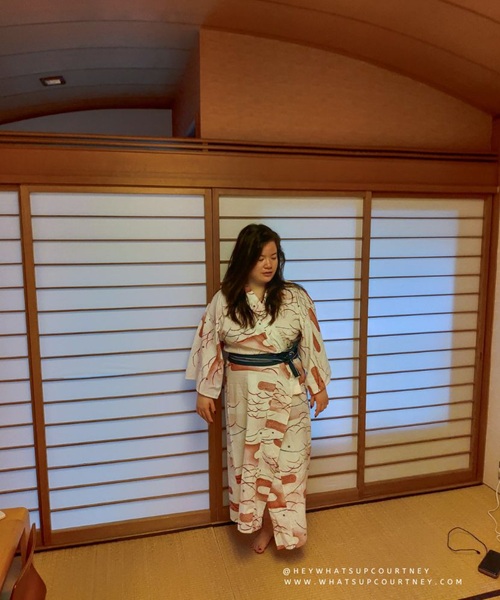
A ryokan is a traditional Japanese inn with tatami-mat floors, futon bedding, yukata robes to wear around the property, and usually a shared or private onsen. You do not have to stay in one, but if you are visiting Hakone specifically for the onsen experience, staying in a ryokan is the version of that experience that you will actually remember.
What is the Hakone Free Pass and is it worth buying?
It covers your return train from Shinjuku plus unlimited use of all local transport in Hakone including the ropeway, Lake Ashi cruise, cable car, and buses. If you are following the Round Course route, it pays for itself very quickly. A two-day pass from Shinjuku costs ¥6,100.
How far is Hakone from Tokyo?
About 90 minutes by Odakyu express train from Shinjuku to Hakone-Yumoto. The Romancecar limited express is slightly faster and more comfortable with reserved seats.
Can I see Mount Fuji from Hakone?
Sometimes. Mount Fuji is visible from Hakone on clear days, particularly from the Hakone Ropeway over Owakudani and from the Lake Ashi cruise. Cloud cover blocks the view frequently, especially in summer and the rainy season. Clear days tend to happen more in winter and early spring.
Explore my other Tokyo, Kyoto and Japan Travel Guides on WhatsupCourtney below:
Planning your Japan trip? Start here:
4 Days in Kyoto: The Perfect Itinerary You’ll Want to Copy
How to Spend 1 Day in Kyoto Without Feeling Rushed (2026)
The Best Sightseeing Things to Do in Kyoto Japan (what’s worth going and 3 places to skip)
• Is Arashiyama Bamboo Forest a tourist trap?: my honest take
• Is Arashiyama Monkey Park worth visiting?
Fushimi Inari Taisha, is it worth it? A mini Guide
Japan Travel Tips:
My Japan Travel Guide 2026: First Timer’s Itinerary and Everything You Need to Know
• Japan travel tips for first-timers: The Japan Travel tips I have learnt on my trip
Best time to see Cherry Blossoms in Japan 2026: Complete Guide to Sakura Season
Japan Day trip guides:
• Nara day trip from Kyoto or Osaka: deer, temples, and the best pounded mochi
Hakone Japan: 10 Must-Do Experiences & Things to do in Hakone
The 10 Best Things to Do in Odawara Japan (Why you should visit + Day Trip Itinerary)
Japan Hotel Reviews:
Candeo Hotels Roppongi Review: Is This Tokyo’s Best Value Luxury Stay?
Candeo Hotels Shimbashi Review: The Tokyo Hotel That Surprised Me
Candeo Hotels Osaka Namba with Japanese Breakfast & Sky Spa 2025 Review
Tokyo Travel Guides:
Roppongi Tokyo: 10 Things to Do, See & Love in the City That Never Sleeps
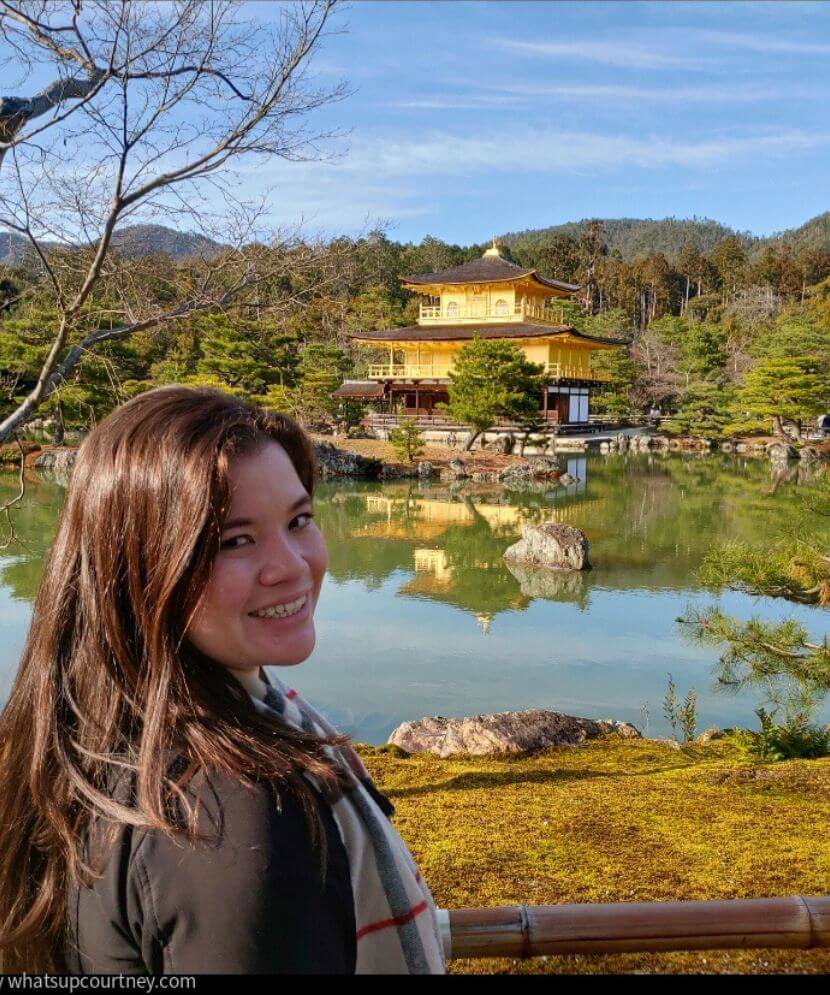
WhatsupCourtney
Hey! I’m Courtney, traveller and content creator behind the travel and food blog WhatsupCourtney. I’ve spent over 10 years exploring travel destinations across Asia, Europe and beyond with a particular focus on cultural experiences, adventures and their food. Instead of the traditional curated Instagram style blogging, I am trying instead, to show you the realistic, raw, and exotic side of travel and a whole lots of food that goes with it. Because I believe food is part of the country culture and needs to be tried and shown proudly.
I have recently traveled around Shanghai China, day trips to Dubai and Paris, explored the Golden Route in Japan, and as you know I was born and raised in Jakarta Indonesia so will be providing lots of Indonesian travel tips and Newcastle Upon Tyne UK travel guides as a local.
Leave a Reply